

As a gardening expert with over a decade of hands-on experience, I can confidently say that growing spinach indoors is one of the most rewarding and practical gardening ventures. Whether you’re a beginner or a seasoned green thumb, cultivating spinach in your home offers a continuous supply of fresh, nutrient-rich greens, even in the coldest months of the year. In this comprehensive guide, I’ll walk you through everything you need to know—from selecting the right variety to harvesting your first batch of homegrown spinach.
Why Choose to Grow Spinach Indoors?
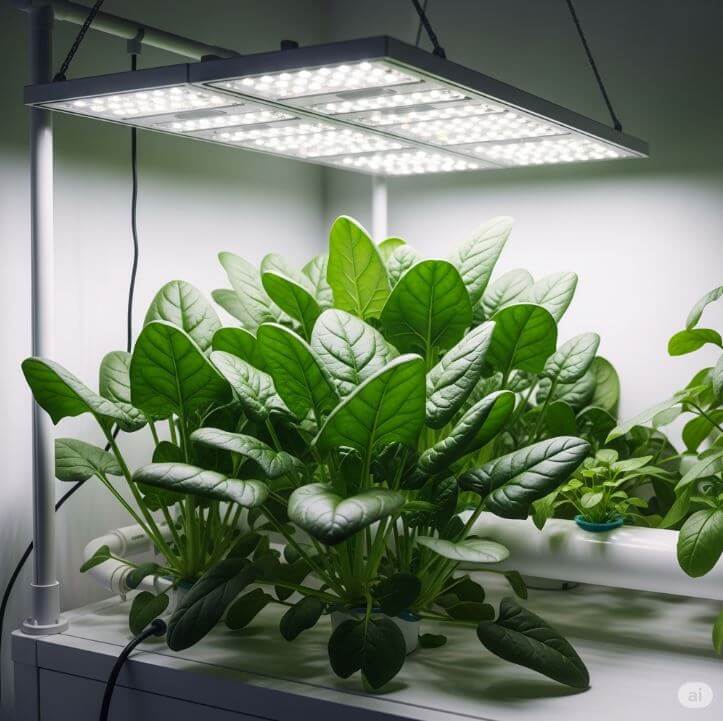
There are several compelling reasons for growing spinach indoors:
-
Year-round harvest: Indoor growing isn’t subject to seasonal changes, allowing you to enjoy spinach anytime.
-
Space efficiency: Even if you live in an apartment or urban setting, you can grow spinach in a compact space.
-
Pest control: Growing indoors minimizes exposure to pests and diseases that commonly affect outdoor crops.
-
Control over conditions: Light, temperature, and moisture are all in your hands, helping ensure optimal growth.
Choosing the Right Spinach Variety
Not all spinach varieties are ideal for indoor growing. For the best results, choose fast-growing, compact varieties such as:
-
Baby’s Leaf Hybrid – Ideal for containers, with tender leaves perfect for salads.
-
Space – A semi-savoy variety known for its quick growth and resistance to bolting.
-
Bloomsdale Long Standing – Hearty and flavorful, suitable for cooler indoor environments.
Make sure the variety you choose aligns with your taste preference and the amount of space you can dedicate.
What You Need to Get Started
Here’s a checklist of basic supplies for growing spinach indoors:
-
Containers: Minimum 6-inch depth, with good drainage holes.
-
Soil: Use a high-quality, well-draining potting mix rich in organic matter.
-
Seeds: Fresh, high-germination spinach seeds.
-
Grow lights: Full-spectrum LED grow lights are essential if you don’t have sufficient natural light.
-
Fertilizer: Balanced liquid fertilizer or organic compost tea.
Optimal Growing Conditions
To grow healthy, productive spinach indoors, you must recreate the plant’s preferred environment:
1. Lighting
Spinach needs 12–14 hours of light daily. If natural light is limited, use full-spectrum grow lights placed about 6–12 inches above the plants.
2. Temperature
Spinach thrives in cooler temperatures. Ideal indoor temps are between 60°F and 70°F (15°C to 21°C). Avoid placing containers near heat sources.
3. Watering
Keep the soil consistently moist but not waterlogged. Overwatering can lead to root rot. Water when the top inch of soil feels dry.
4. Humidity and Air Circulation
Moderate humidity (around 40–60%) is ideal. Ensure good air circulation to prevent mold or fungal growth.
Step-by-Step: Growing Spinach Indoors

Step 1: Sow the Seeds
Plant seeds about ½ inch deep and 2 inches apart. Cover lightly with soil and mist with water.
Step 2: Germination
Seeds typically germinate in 5–10 days. Keep the soil moist and ensure consistent temperatures.
Step 3: Thin the Seedlings
Once seedlings are a few inches tall, thin them to about 4 inches apart to give each plant enough space to mature.
Step 4: Fertilize
Feed plants every 2–3 weeks with a nitrogen-rich fertilizer to encourage leafy growth.
Step 5: Harvest
Harvest spinach when the leaves are about 3–4 inches long. Use clean scissors to snip outer leaves first, allowing the center to continue growing.
Common Challenges and How to Avoid Them
Even when growing spinach indoors, certain problems can arise:
1. Leggy Seedlings
Caused by insufficient light. Solution: Use stronger grow lights or increase exposure time.
2. Yellowing Leaves
May indicate overwatering or nutrient deficiency. Adjust your watering schedule and fertilize as needed.
3. Bolting
This is when the plant starts to flower prematurely, leading to bitter leaves. Keep temperatures cool and avoid stress conditions like inconsistent watering.
Companion Indoor Plants
Want to expand your indoor garden? Spinach pairs well with:
-
Lettuce – Similar growing conditions and growth rate.
-
Radishes – Quick-growing root crop that won’t compete for above-ground space.
-
Herbs – Basil, chives, or cilantro add flavor to your meals and grow well indoors alongside spinach.
Creative Ideas for Indoor Spinach Gardening
Here are a few fun and space-saving methods to try:
-
Hydroponic spinach: Grows faster without soil, using nutrient-rich water.
-
Vertical gardening: Ideal for small apartments, using wall-mounted planters.
-
Kitchen counter garden: Small containers can grow spinach right where you prep meals.
Nutritional Benefits of Fresh Spinach

Homegrown spinach isn’t just fresher—it’s also packed with nutrients:
-
Iron: Supports healthy blood and energy levels.
-
Vitamin K: Important for bone health.
-
Folate: Essential during pregnancy and cell development.
-
Antioxidants: Helps fight inflammation and boost immunity.
When you’re growing spinach indoors, you’re essentially growing your own multivitamin!
Final Thoughts
With a bit of planning and the right setup, growing spinach indoors is not only achievable but also immensely satisfying. It saves money, reduces your environmental footprint, and delivers unbeatable freshness straight to your plate. Whether you’re adding it to smoothies, salads, or sautés, the convenience and quality of indoor-grown spinach are hard to beat.
Start small, stay consistent, and in just a few weeks, you’ll be harvesting your very own vibrant, homegrown greens—right from your windowsill or kitchen counter.
Readmore How to Start an Organic Vegetable Garden: A Comprehensive Guide