

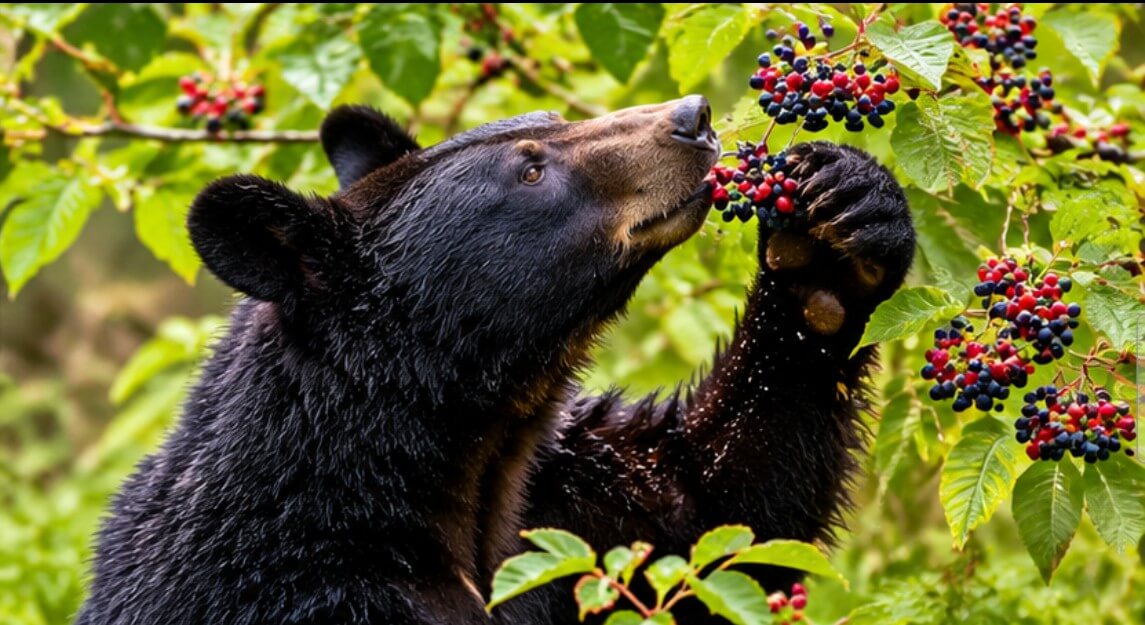
What Do Bears Eat? A Complete Guide to a Bear’s Diet
Bears are among the most adaptable mammals in the world. They live in forests, mountains, coastal regions, Arctic environments, and many other habitats. Their ability to survive in different conditions is closely connected to their flexible diets.
So, what do bears eat?
Most bear species are omnivores, meaning they eat both plant-based and animal-based foods. Depending on the species and habitat, their diet may include berries, grasses, roots, nuts, insects, fish, small mammals, and larger animals. Polar bears are an important exception in terms of feeding habits because they depend heavily on animal prey, especially seals.
A bear’s diet also changes throughout the year. In spring, it may search for fresh vegetation and insects. During summer, berries and other seasonal foods become important. In fall, many bears increase their food intake to build fat reserves before winter.
Understanding what bears eat helps explain how these animals survive, adapt to changing environments, and influence the ecosystems around them.
What Do Bears Eat in the Wild?
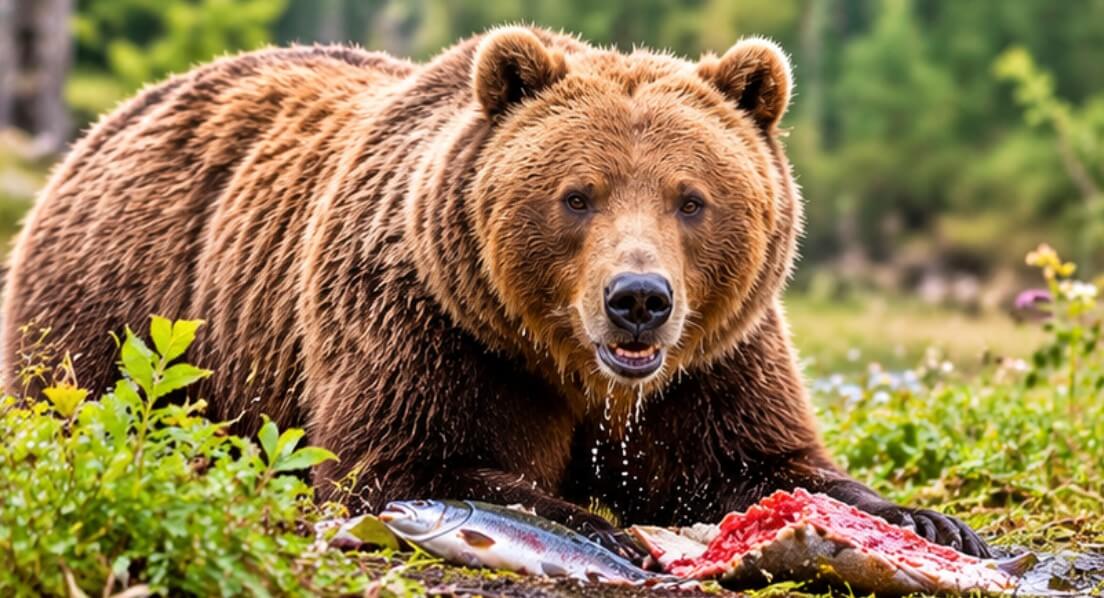
Bears are opportunistic feeders. This means they take advantage of the food sources available in their surroundings rather than depending on only one type of prey or plant.
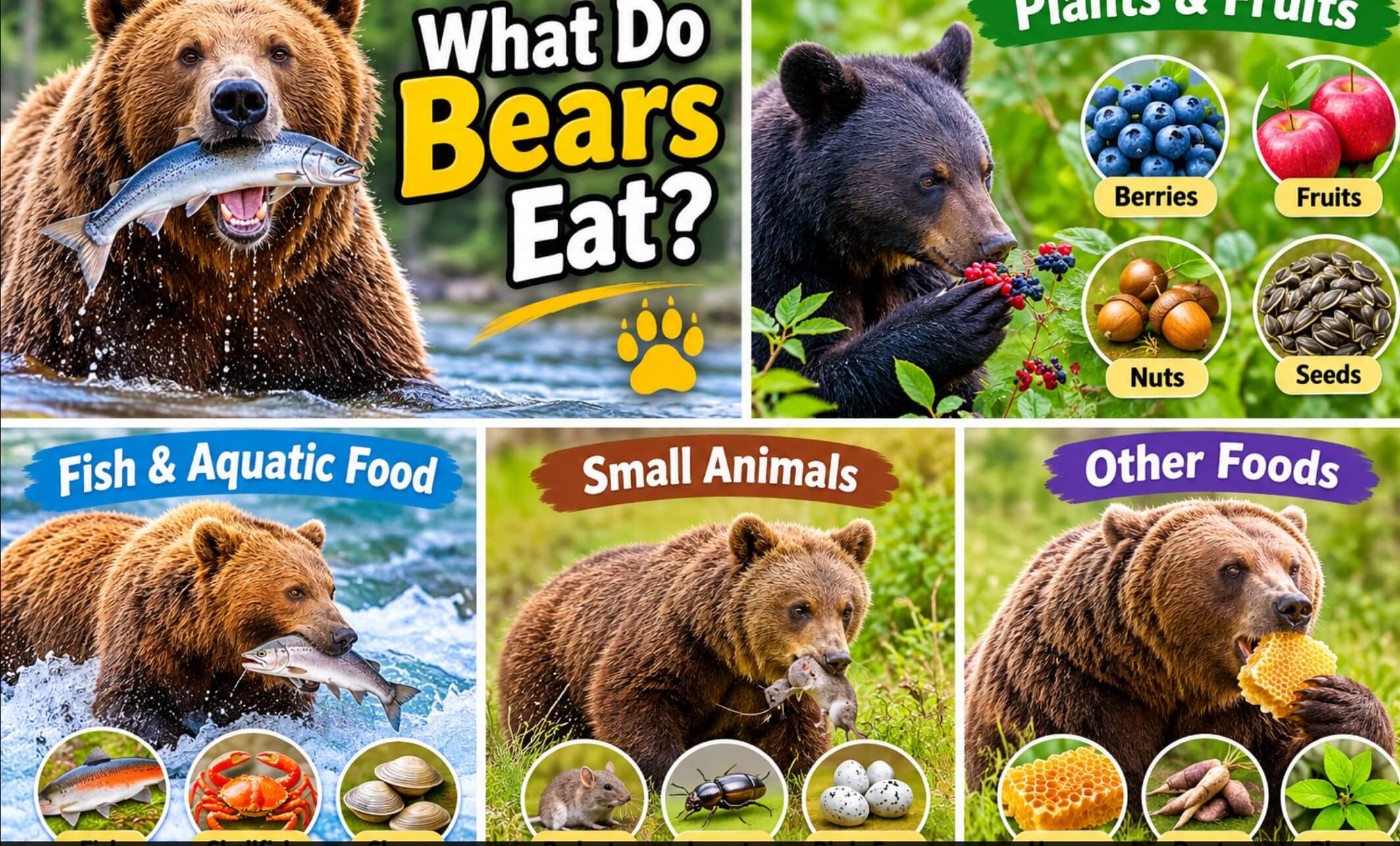
Common foods in the diets of many bear species include:
- Plants: Grasses, leaves, roots, shoots, and aquatic vegetation.
- Fruits and berries: Blueberries, raspberries, huckleberries, cherries, and other seasonal fruits.
- Nuts and seeds: Acorns, hazelnuts, and other energy-rich seeds.
- Insects: Ants, beetle larvae, grubs, bees, and other insects.
- Fish: Salmon and other fish where suitable rivers, lakes, or coastal habitats are available.
- Mammals: Deer, elk calves, rodents, and other animals, depending on the bear species and location.
- Carrion: The remains of animals that have died naturally or been killed by other predators.
Not every bear eats all these foods. A black bear living in a forest may rely heavily on berries and nuts, while a coastal brown bear may consume large amounts of salmon during spawning seasons.
Polar bears have a very different feeding strategy because their primary prey is marine mammals, particularly seals.
What Do Different Types of Bears Eat?
Although bears share many physical characteristics, their diets can differ significantly. Habitat, body size, hunting ability, and food availability all influence what each species eats.
1. What Do Black Bears Eat?
Black bears are omnivores with a highly flexible diet. Although they can eat meat, much of their food comes from plants.
Common foods include:
- Berries and wild fruits
- Acorns and nuts
- Grasses and other green vegetation
- Roots and plant shoots
- Ants, bees, and insect larvae
- Small mammals and birds
- Eggs and animal carcasses
- Fish in areas where they are available
Black bears are excellent climbers. They may climb trees to reach fruit, nuts, or other food sources. Their strong sense of smell also helps them locate food over considerable distances.
The National Park Service notes that black bears in Great Smoky Mountains National Park obtain a large share of their diet from berries and nuts. In other locations, black bears may eat different combinations of vegetation, insects, fish, and animal matter.
Their diet is therefore strongly influenced by local food availability.
2. What Do Brown Bears and Grizzly Bears Eat?
Brown bears are also omnivores. Their diet can include a wide range of plant and animal foods.
Depending on the ecosystem, brown and grizzly bears may eat:
- Grasses and flowering plants
- Roots, bulbs, and tubers
- Berries and other fruits
- Nuts and seeds
- Insects and larvae
- Fish, including salmon
- Small mammals
- Deer, elk, and other ungulates
- Animal carcasses
Grizzly bears are especially adaptable feeders. They may dig for roots, search for insects, forage for berries, catch fish, or scavenge carcasses.
In coastal Alaska, some brown bears take advantage of seasonal salmon runs. In other ecosystems, plant foods may make up a much larger part of their diet.
The U.S. Fish and Wildlife Service describes grizzly bears as generalists because they can use many different food sources across different habitats.
3. What Do Polar Bears Eat?
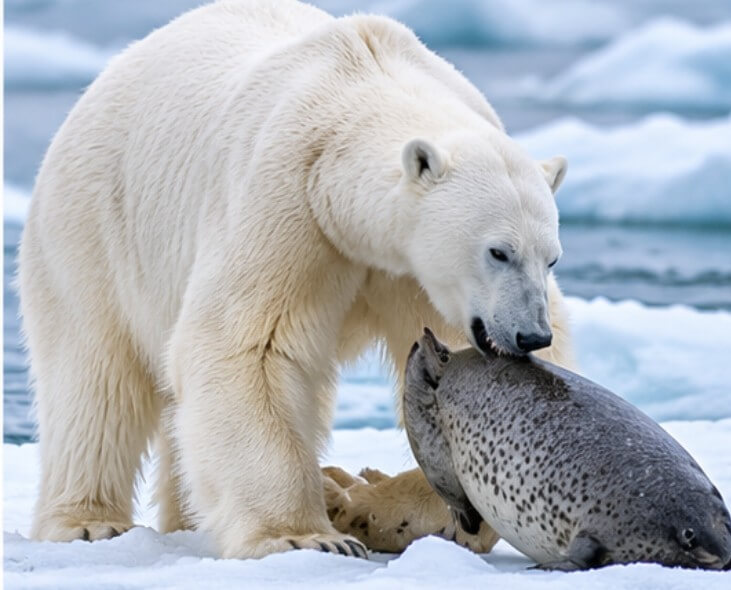
Polar bears have a more specialized diet than most other bear species.
They are highly adapted to Arctic environments and depend primarily on animal-based foods. Their main prey is seals, especially species that use sea ice as a platform for resting and raising their young.
Polar bears may eat:
- Ringed seals
- Bearded seals
- Other available seal species
- Whale carcasses
- Other marine mammal remains
- Birds and eggs when available
- Fish and terrestrial animals in some circumstances
Polar bears are particularly interested in the fat of marine mammals because it provides a concentrated source of energy.
When sea ice is unavailable or food becomes difficult to find, polar bears may spend more time on land. They can then use alternative food sources, including carcasses, birds, eggs, and vegetation.
However, these alternatives do not replace the importance of seals in the polar bear’s normal diet.
4. What Do Giant Pandas Eat?
Giant pandas are a notable exception among bears because their diet consists almost entirely of bamboo.
They feed on different parts of bamboo plants, including:
- Bamboo leaves
- Bamboo stems
- Bamboo shoots
Pandas may consume different bamboo parts depending on the season and availability.
Although giant pandas belong to the bear family, their feeding habits are very different from those of black bears, brown bears, and polar bears.
Their digestive system still retains characteristics associated with carnivorous ancestors, which helps explain why they need to consume large quantities of bamboo to obtain enough energy.
Do Bears Eat Meat?
Yes. Many bears eat meat, but the amount of animal food in their diets varies by species, habitat, and season.
Black bears may eat insects, fish, small mammals, bird eggs, and occasionally young deer or other animals.
Brown and grizzly bears may consume fish, rodents, large mammals, and carrion. Some individuals also prey on young ungulates when opportunities arise.
Polar bears are much more dependent on meat and fat, particularly from seals.
It is important to distinguish between hunting and scavenging. Bears do not always kill the animals they eat. They frequently take advantage of carcasses left by natural deaths or other predators.
This flexible feeding behavior allows bears to obtain food without relying entirely on successful hunts.
Do Bears Eat Fish?
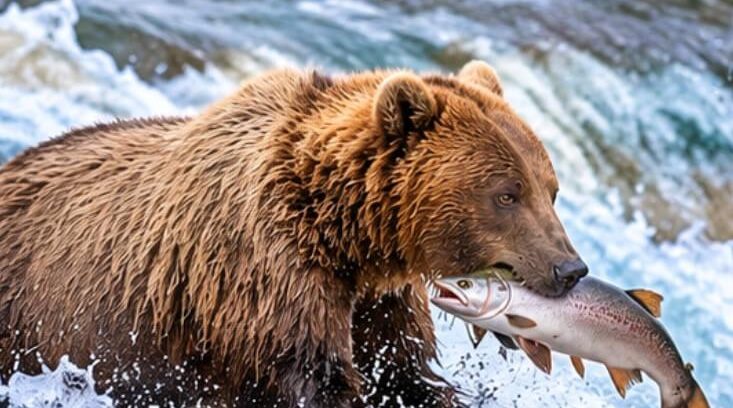
Yes. Several bear species eat fish, especially populations living near rivers, lakes, and coastal habitats.
Salmon is one of the best-known examples. In parts of Alaska and the Pacific Northwest, brown bears gather near rivers during salmon runs.
Fish provide valuable nutrients and energy. For bears preparing for winter, access to a reliable seasonal food source can be particularly important.
However, not all bears eat fish regularly. A bear living far from productive waterways may depend much more heavily on vegetation, fruits, insects, or terrestrial animals.
Do Bears Eat Humans?
Bears do not normally hunt humans as a regular food source.
Most bears generally avoid people when possible. However, dangerous encounters can occur, particularly when a bear feels threatened, is surprised at close range, is defending cubs, or has become accustomed to human food.
A bear may also investigate a campsite, garbage container, or food storage area because it smells something edible.
This does not mean the animal is naturally seeking humans as prey.
People visiting bear habitat should follow local wildlife safety guidance, keep food and garbage secured, maintain appropriate distances, and never intentionally feed bears.
Food-conditioned bears can become more likely to approach people and may create serious safety risks for both humans and wildlife.
How Does a Bear’s Diet Change With the Seasons?
Food availability changes throughout the year, so bears often adjust their feeding behavior to match seasonal conditions.
Spring: Fresh Vegetation and Insects
After emerging from winter dens, many bears begin searching for available food.
Spring foods may include:
- Fresh grasses
- Young leaves and shoots
- Roots
- Insects and larvae
- Overwintered berries
- Animal carcasses
Food can be limited during this period, especially in colder habitats where vegetation has not fully grown.
Summer: Berries, Plants, and Fish
As temperatures rise, more food sources become available.
Depending on the habitat, bears may eat:
- Blueberries and other wild berries
- Fruits
- Grasses and flowering plants
- Insects
- Fish
- Small animals
Coastal brown bears may take advantage of seasonal salmon runs, while forest-dwelling bears may spend considerable time searching for berries and other vegetation.
Fall: Building Fat Reserves
Fall is an important feeding period for many bears.
Before winter, some bears enter a period of increased food consumption known as hyperphagia.
During this time, they may spend much of the day searching for high-energy foods, including:
- Acorns
- Nuts and seeds
- Berries
- Fruits
- Fish
- Insects
- Animal carcasses
The extra energy helps bears build fat reserves that support them through periods when food is scarce.
The exact timing and intensity of this behavior vary by species, region, and environmental conditions.
Winter: Denning and Reduced Feeding
Many black bears and brown bears spend part of the winter in dens.
During this period, they generally do not eat regularly. Their bodies rely on stored energy accumulated during previous months.
However, bear winter behavior is not identical everywhere. Denning patterns depend on species, climate, food availability, and individual circumstances.
Pregnant female polar bears also use dens to give birth, but polar bears do not follow exactly the same winter denning pattern as black and brown bears.
How Do Bears Find and Catch Their Food?
Bears use several methods to find food. Their feeding strategies depend on what they are trying to eat.
Using Their Sense of Smell
A bear’s sense of smell is extremely important for locating food.
Bears can detect scents from food sources that are hidden by vegetation, buried in the ground, or located some distance away.
This ability helps them find berries, animal carcasses, insects, fish, and human-related food sources.
Digging for Food
Some bears use their powerful claws to dig for roots, tubers, insects, and small animals.
Grizzly bears are particularly well adapted for digging because of their strong shoulders and long claws.
Climbing Trees
Black bears are capable climbers. They may climb trees to reach fruit, nuts, or other food sources.
Climbing can also provide access to certain nesting sites or other resources.
Fishing and Hunting
Brown bears may catch fish in rivers and streams, especially during seasonal fish migrations.
Some bears also hunt mammals, although successful hunting is not the only way they obtain animal food.
Polar bears use sea ice to hunt seals, often waiting near breathing holes or other locations where seals may appear.
Are Bears Omnivores or Carnivores?
Most bears are omnivores because they eat both plant and animal foods.
However, their classification within the order Carnivora does not mean every bear species has a meat-dominated diet.
For example:
- Black bears: Omnivores that often eat substantial amounts of plant foods.
- Brown bears: Omnivores with diets that vary widely by habitat.
- Polar bears: Highly carnivorous in their feeding habits, relying mainly on marine mammals.
- Giant pandas: Bears that feed almost entirely on bamboo.
This variation shows how different bear species have adapted to their environments and available food sources.
Why Is a Bear’s Diet Important to the Ecosystem?
Bears play several important roles in their ecosystems.
1. Spreading Seeds
When bears eat berries and fruits, they may disperse seeds through their droppings.
This can help plants spread into new areas.
2. Moving Nutrients
Bears that catch fish and carry them away from waterways can move nutrients from aquatic environments into nearby terrestrial habitats.
This process can contribute to nutrient cycling in ecosystems where salmon runs are important.
3. Controlling Some Animal Populations
Bears consume insects, small mammals, fish, and occasionally larger prey.
Their feeding activities can influence the populations and behavior of other organisms.
4. Scavenging Carcasses
By consuming dead animals, bears help remove carcasses from the environment and participate in natural nutrient recycling.
Their role as scavengers also connects them with other predators and scavenging species.
Frequently Asked Questions About What Bears Eat
What is a bear’s favorite food?
There is no single favorite food shared by all bears. Black bears may strongly favor berries and nuts when available, while brown bears may take advantage of salmon, berries, roots, or other seasonal foods. Polar bears primarily depend on seals.
Do bears eat grass?
Yes. Many bears eat grasses and other green vegetation, particularly when fresh plant growth becomes available in spring and early summer.
Do bears eat honey?
Bears may eat honey and bee larvae when they find beehives. However, honey is only one possible food source and is not a major part of every bear’s diet.
Do bears eat deer?
Some bears eat deer, particularly fawns or other vulnerable animals. They may also scavenge deer carcasses rather than hunting them.
Do bears eat berries?
Yes. Berries are an important seasonal food for many black and brown bears. They provide energy and can become especially valuable during summer and fall.
Do all bears hibernate?
No. Winter behavior differs among bear species and populations. Many black and brown bears spend winter in dens, while polar bears have different patterns. Pregnant female polar bears den to give birth, but the species as a whole does not follow the same winter dormancy pattern as many black and brown bears.
Do bears eat every day?
Bears feed according to food availability, activity, and seasonal needs. During active seasons, they may forage frequently throughout the day. During winter denning, many black and brown bears can go for extended periods without eating.
Are bears dangerous when looking for food?
Bears can be dangerous, especially if they are surprised, feel threatened, or become accustomed to human food. People should never approach or feed wild bears and should follow local wildlife safety instructions.
Final Thoughts
So, what do bears eat? The answer depends on the species and where it lives.
Many bears eat a combination of plants, berries, nuts, insects, fish, and meat. Black bears and brown bears are highly adaptable omnivores, while polar bears rely heavily on seals and other marine mammals. Giant pandas have a specialized diet based almost entirely on bamboo.
Seasonal changes also play a major role in bear feeding behavior. From fresh vegetation in spring to energy-rich foods in fall, bears adjust their diets to survive in challenging environments.
This dietary flexibility is one of the reasons bears can live in such a wide range of habitats around the world.
References and Further Reading
The following authoritative sources support the species and diet information discussed in this article:
- National Park Service – Black Bears
https://www.nps.gov/subjects/bears/black-bears.htm
Useful for black bear feeding behavior, seasonal food sources, and food-conditioning risks. - National Park Service – Polar Bears
https://home.nps.gov/subjects/bears/polar-bears.htm
Useful for polar bear prey, seal hunting, and alternative foods. - U.S. Fish & Wildlife Service – Grizzly Bear
https://www.fws.gov/species/grizzly-bear-ursus-arctos-horribilis
Useful for grizzly bear dietary flexibility and habitat-related food variation. - Florida Fish and Wildlife Conservation Commission – Florida Black Bear Biology
https://myfwc.com/wildlifehabitats/wildlife/bear/facts/biology/
Useful for seasonal changes in black bear feeding and hyperphagia. - Maine Department of Inland Fisheries and Wildlife – Black Bears
https://www1.maine.gov/ifw/fish-wildlife/wildlife/species-information/mammals/bear.html
Useful for black bear food sources, seasonal feeding, and opportunistic behavior.Discover what bears eat in the wild, from berries and plants to fish, insects, and mammals. Explore how diets differ among black, brown, and polar bears