

Learn how to grow tomatoes at home with this ultimate guide! From choosing the right seeds to harvesting juicy, flavorful tomatoes, we cover everything you need for a thriving home garden. Perfect for beginners and seasoned gardeners alike!
Growing tomatoes at home is a deeply rewarding experience. Not only do you get to enjoy fresh, juicy, and flavorful tomatoes right from your garden, but you also save money and gain the satisfaction of cultivating your own food.
Whether you have a sprawling garden or just a small balcony, tomatoes can thrive with the right care. As an agricultural expert with years of experience, I will walk you through every step, from selecting the right variety to ensuring a bountiful harvest.
Choosing the Right Tomato Variety
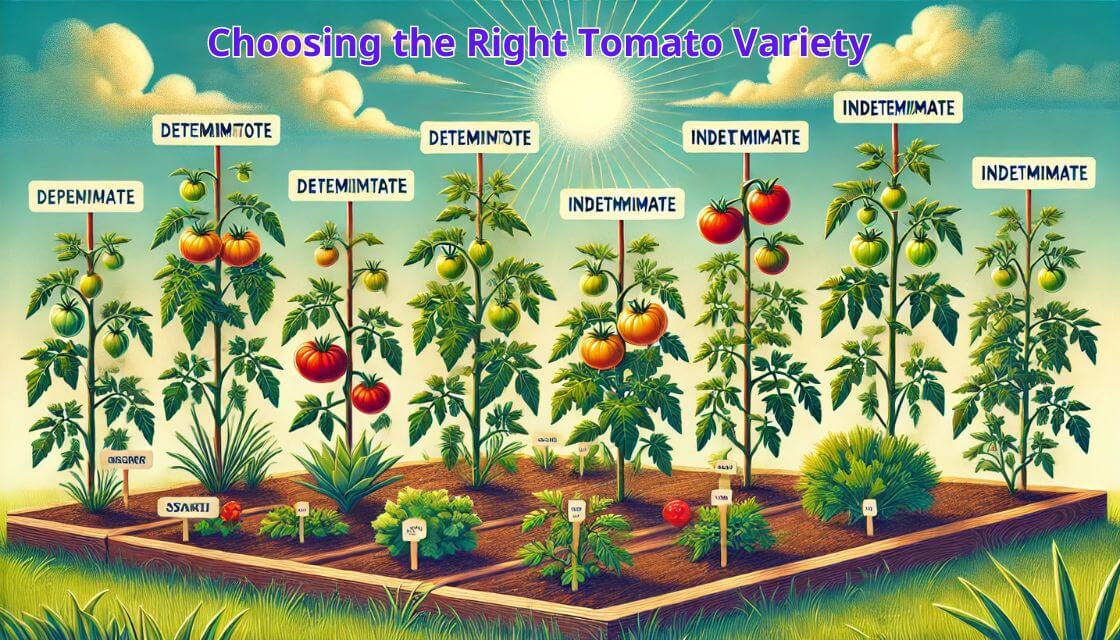
Before planting, selecting the right variety is essential for success. Tomatoes come in various shapes, sizes, and growth habits, so choosing the one that suits your space and climate is key.
1. Determinate vs. Indeterminate Tomatoes
- Determinate (Bush) Tomatoes: These varieties grow to a fixed height (usually between 2-4 feet) and produce fruit all at once, making them perfect for small spaces and container gardening. They require minimal staking. Popular varieties: Roma, Celebrity, Bush Early Girl.
- Indeterminate (Vining) Tomatoes: These continue to grow and produce fruit throughout the season, often reaching heights of 6 feet or more. They require staking or caging for support. Popular varieties: Brandywine, Cherokee Purple, Sungold.
2. Best Tomato Varieties for Home Gardening
- For Containers: Tiny Tim, Patio, Tumbling Tom – ideal for small spaces.
- For Large Yields: Beefsteak, Big Boy, Super Sweet 100 – perfect for high production.
- For Disease Resistance: Juliet, San Marzano, Celebrity – great for avoiding common tomato diseases.
- For Superior Flavor: Black Krim, Cherokee Purple, Brandywine – known for their exceptional taste.
Read How to Build and Manage a Greenhouse for Year-Round Bliss
Preparing for Planting
1. Choosing the Right Location
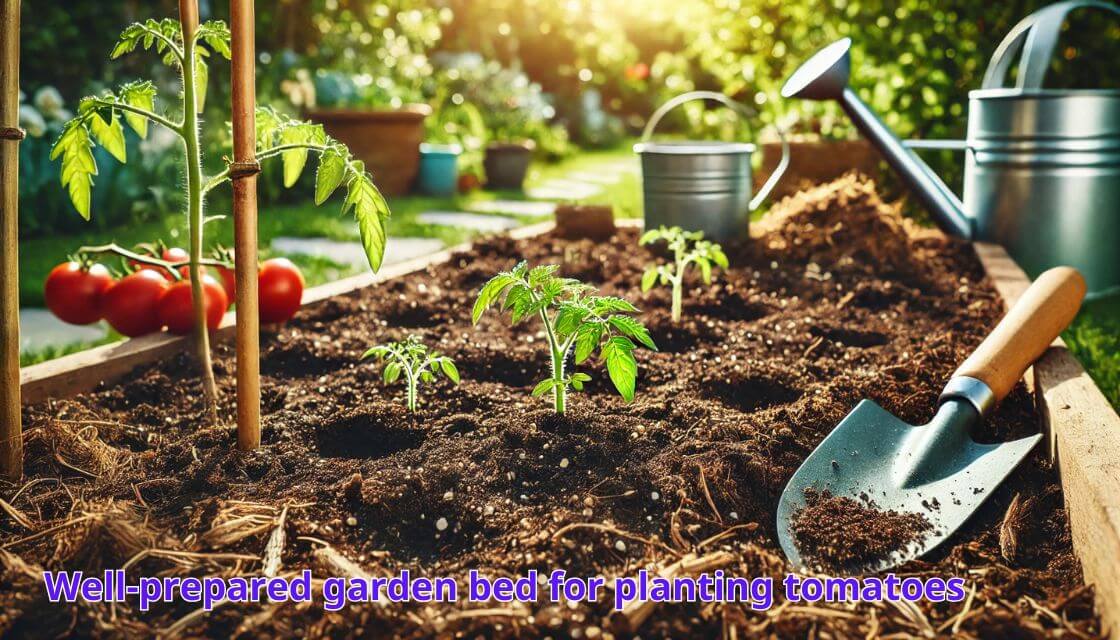
Tomatoes are sun-loving plants that require at least 6-8 hours of direct sunlight per day. The best location is a south-facing spot with ample warmth and light. Avoid planting in areas that receive too much shade, as this can lead to poor fruit development and increased susceptibility to disease.
2. Selecting the Right Soil
Tomatoes flourish in well-draining, loamy soil with a pH between 6.2-6.8. Soil that retains too much water can lead to root rot, so amending it with compost, aged manure, or organic matter ensures good aeration and nutrient availability. Consider conducting a soil test to check for deficiencies before planting.
3. Starting from Seeds vs. Buying Seedlings
- Starting from Seeds: Allows greater control over variety selection and disease resistance. Start seeds indoors 6-8 weeks before the last frost in seed trays with quality potting mix. Keep the soil warm (70-75°F) and ensure adequate lighting.
- Buying Seedlings: A convenient option for beginners. When selecting seedlings, look for strong, stocky plants with deep green leaves and no signs of yellowing, wilting, or pests.
How to Plant Tomatoes
1. Transplanting Seedlings
- Before transplanting, harden off seedlings by gradually exposing them to outdoor conditions for 7-10 days.
- Dig a hole deep enough to bury two-thirds of the plant, leaving only the top few sets of leaves above ground. This encourages a stronger root system.
- Space plants 18-24 inches apart to promote air circulation and reduce disease risk.
2. Companion Planting
Growing tomatoes alongside beneficial plants can improve their health and productivity:
- Basil: Enhances tomato flavor and deters pests like aphids.
- Marigolds: Repel nematodes and aphids.
- Carrots & Lettuce: Improve soil health and maximize garden space.
Avoid planting tomatoes near potatoes, corn, and fennel, as they can compete for nutrients or attract harmful pests.
Caring for Your Tomato Plants
1. Watering
- Tomatoes need consistent moisture. Water deeply, 1-2 inches per week, focusing on the base of the plant.
- Avoid overhead watering to prevent fungal diseases.
- Use mulch (straw, shredded leaves, or grass clippings) to retain soil moisture and regulate temperature.
2. Fertilizing
- At planting, use a balanced organic fertilizer (5-10-10).
- Apply compost tea or fish emulsion every 2 weeks for steady growth.
- When flowering starts, switch to a fertilizer high in phosphorus and potassium to boost fruit development.
3. Supporting Tomato Plants
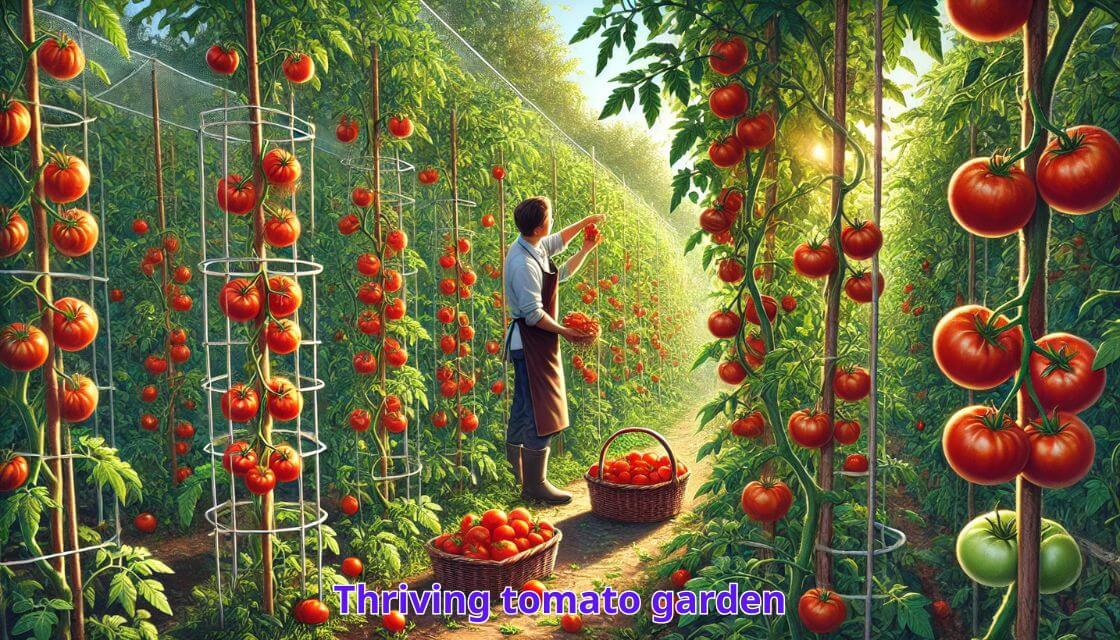
- Stakes: Provide support for small gardens; tie plants gently with twine.
- Cages: Ideal for indeterminate varieties; help support heavy fruit loads.
- Trellises: Best for vertical gardening and maximizing space.
Preventing and Managing Pests & Diseases
1. Common Pests & Solutions
- Aphids: Remove with a strong water spray or introduce ladybugs.
- Tomato Hornworms: Handpick or use Bacillus thuringiensis (Bt).
- Whiteflies: Apply neem oil or insecticidal soap.
2. Common Diseases & Prevention
- Blossom End Rot: Caused by calcium deficiency; prevent with even watering and adding crushed eggshells to the soil.
- Powdery Mildew: Avoid overhead watering and improve air circulation.
- Early & Late Blight: Use copper-based fungicides and practice crop rotation.
Harvesting Tomatoes
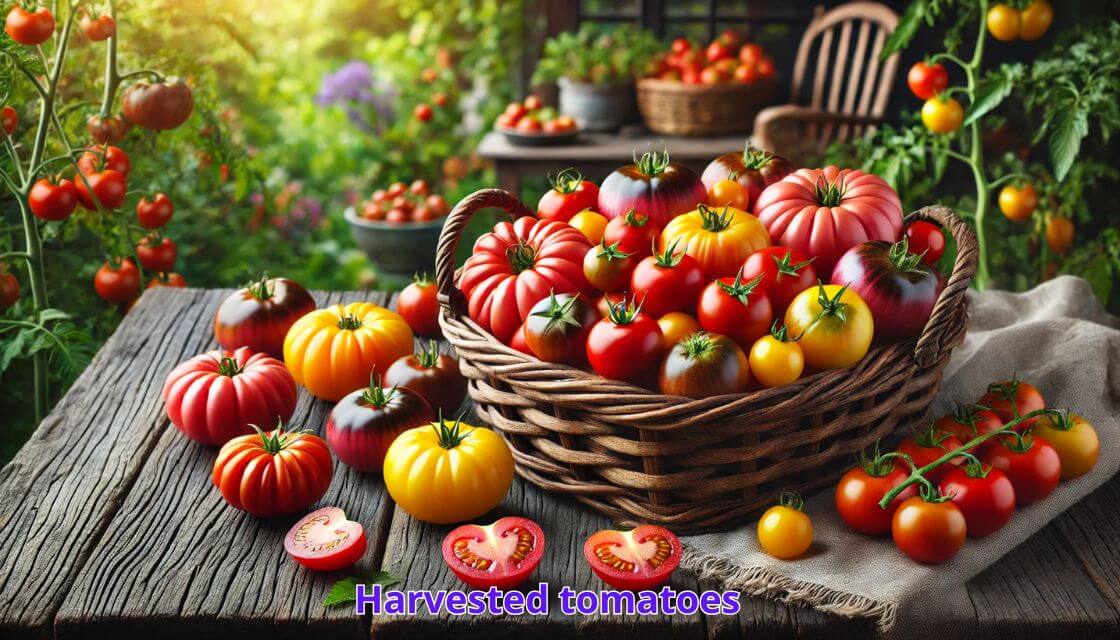
- Pick tomatoes when they are fully colored and slightly firm.
- For vine-ripened fruit, leave them until they reach deep red (or their specific ripe color).
- If frost threatens, harvest green tomatoes and ripen them indoors in a paper bag with a banana.
Storing & Using Your Tomatoes
- Short-term storage: Keep ripe tomatoes at room temperature, away from direct sunlight.
- Long-term storage:
- Freeze whole or as puree.
- Dehydrate for sun-dried tomatoes.
- Can for sauces, salsa, or ketchup.
Additional Tips for a Bountiful Harvest
- Rotate Crops: Avoid planting tomatoes in the same spot yearly to prevent soil-borne diseases.
- Prune Suckers: Removing small shoots from the leaf axils improves air circulation and boosts fruit production.
- Mulch Heavily: Keeps weeds at bay and maintains soil moisture.
- Hand-Pollinate: If growing indoors, gently shake flowers to encourage pollination.
Final Thoughts
Growing tomatoes at home is a simple yet incredibly satisfying experience when done right. With careful variety selection, proper soil preparation, consistent watering, and pest management, you can enjoy a thriving tomato garden. Whether you’re new to gardening or a seasoned grower, these tips will ensure your success.
Start your tomato-growing journey today and enjoy the taste of homegrown freshness!
Happy gardening!