


Forest cat breeds, with their captivating mystique and striking beauty, have carved a special place in the hearts of cat lovers worldwide. These majestic creatures, descendants of wild felines that roamed dense forests, possess an undeniable allure. This comprehensive guide explores the world of forest cat breeds, delving into their origins, unique characteristics, popular breeds, and essential considerations for welcoming one into your home.
Origins and History: Whispers of the Wild
The captivating history of forest cat breeds is deeply intertwined with the natural world. These felines evolved in diverse forest environments, adapting to challenging climates and developing distinct traits. From the Viking-associated Norwegian Forest Cat to the Siberian Cat of the Russian wilderness, their lineage speaks of resilience, adaptability, and a legacy of survival. These breeds have navigated the wild for centuries, honing their hunting instincts and forging a strong connection with nature.
Distinctive Features: Nature’s Signature
Forest cat breeds possess a unique combination of physical characteristics that distinguish them from other domestic cats. Their robust, muscular bodies, often adorned with thick, water-repellent coats, speak to their wild heritage. These coats, boasting diverse patterns and colors, provide insulation against harsh weather. Tufted ears and bushy tails further enhance their striking appearance. Beyond their physical attributes, forest cats are renowned for their intelligence, agility, and playful nature, making them engaging companions.
 Norwegian Forest Cat with Tufted Ears and Almond-Shaped EyesA Norwegian Forest Cat showcasing its characteristic tufted ears and expressive almond-shaped eyes.
Exploring Popular Forest Cat Breeds
The world of forest cats encompasses a fascinating array of breeds. Here are three of the most popular:
Maine Coon: Gentle Giants of the Forest
Maine Coons, often called “gentle giants,” are among the largest domesticated cat breeds. Their impressive size, combined with tufted ears and paws reminiscent of snowshoes, creates a truly majestic presence. Beyond their striking appearance, Maine Coons are known for their gentle, friendly personalities and strong bonds with their human families. Their docile temperament makes them well-suited for households with children and other pets.
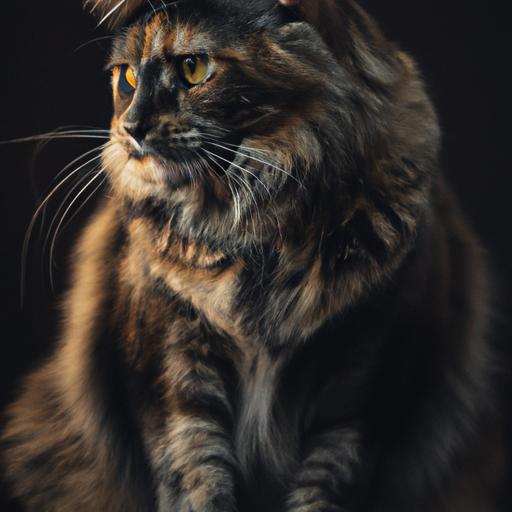 Majestic Maine Coon Cat with Luxurious Multi-Colored CoatA Maine Coon exhibiting its luxurious multi-colored coat and impressive size.
Norwegian Forest Cat: A Legacy of the North
Originating from the rugged landscapes of Norway, the Norwegian Forest Cat carries an air of mystique. These robust felines, with their long, bushy tails and thick, water-repellent coats, are built to withstand harsh Nordic winters. Known for their exceptional climbing skills and love for the outdoors, they thrive in environments where they can explore and express their adventurous spirit.
Siberian Cat: Elegance and Hypoallergenic Qualities
Hailing from the vast Siberian wilderness, the Siberian Cat embodies elegance and grace. Their medium to large build, strong muscles, and captivating almond-shaped eyes contribute to their sophisticated appearance. Notably, Siberian Cats are known for their hypoallergenic qualities, making them a popular choice for individuals with allergies. These intelligent and affectionate cats form deep bonds with their human companions, often exhibiting dog-like loyalty and a playful nature.
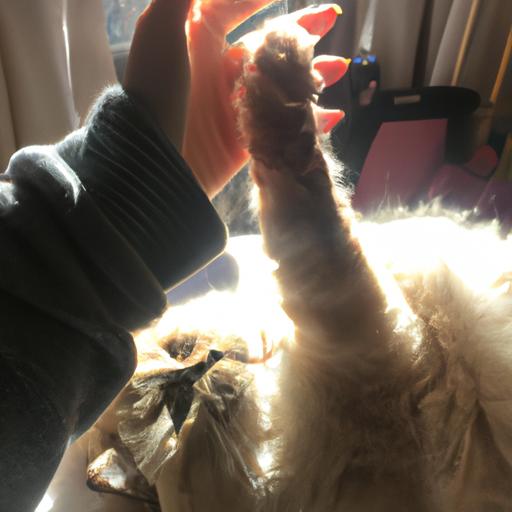 Playful Siberian Cat Engaging in Interactive PlayA Siberian Cat engaging in interactive play, highlighting its intelligence and playful nature.
Choosing Your Forest Cat Companion: Key Considerations
Bringing a forest cat into your home is a significant decision. Consider these factors to ensure a harmonious relationship:
Grooming Needs: Maintaining a Luxurious Coat
Forest cats possess magnificent coats that require regular grooming. Maine Coons, with their long fur, need frequent brushing to prevent matting. Norwegian Forest Cats and Siberian Cats also benefit from regular grooming to maintain their coat’s health and beauty.
Activity Levels: Embracing a Playful Spirit
Forest cats are known for their active and playful nature. Providing enrichment through interactive toys, climbing structures, and opportunities for exploration is essential for their well-being.
Family Compatibility: A Feline Friend for All
Forest cats generally have affable temperaments and adapt well to family life. However, individual personalities vary. Researching breed-specific traits and considering your family dynamics will help you choose the right match.
Frequently Asked Questions about Forest Cat Breeds
What is the average lifespan of a forest cat breed?
Forest cat breeds typically live 12-16 years, sometimes even longer with proper care.
Are forest cat breeds hypoallergenic?
While no cat is completely hypoallergenic, Siberian Cats produce fewer allergens than many other breeds.
How do forest cat breeds behave around children?
Many forest cat breeds, like Maine Coons and Norwegian Forest Cats, are known for being gentle and patient with children. Supervised interactions are always recommended.
What are the grooming requirements for forest cat breeds?
Regular brushing, occasional bathing, and nail trims are essential for maintaining a forest cat’s coat. Consult a groomer or veterinarian for breed-specific advice.
Welcoming a Forest Cat into Your Life
Forest cat breeds offer a unique blend of wild beauty and domestic companionship. By understanding their origins, characteristics, and individual needs, you can make an informed decision and embark on a rewarding journey with a majestic feline friend. Their intelligence, playful nature, and captivating presence will enrich your life for years to come. Welcome a touch of the wild into your home and experience the magic of these extraordinary creatures.
Expanding Your Knowledge: Delving Deeper into Forest Cat Breeds
The fascinating world of forest cat breeds extends beyond the basics. Here, we delve deeper into various aspects of these captivating felines, providing a more comprehensive understanding of their care, health, and unique characteristics.
Understanding the Maine Coon’s Majestic Mane
The Maine Coon’s luxurious coat isn’t just for show; it’s a crucial adaptation for survival in harsh climates. The dense, water-repellent outer layer protects against rain and snow, while the soft, downy undercoat provides insulation against the cold. Regular grooming is essential to prevent matting and maintain the coat’s health. Understanding the specific grooming needs of a Maine Coon is key to ensuring their comfort and well-being.
The Norwegian Forest Cat’s Adaptability: A Testament to Survival
The Norwegian Forest Cat’s history is steeped in resilience. Their ability to thrive in challenging environments is a testament to their adaptability. From their thick, double-layered coat to their strong climbing abilities, these cats are perfectly equipped to navigate the rugged Norwegian terrain. Exploring their natural history provides insight into their unique characteristics and helps owners create an environment that caters to their needs.
The Siberian Cat’s Hypoallergenic Qualities: A Closer Look
While the term “hypoallergenic” is often used to describe Siberian Cats, it’s important to understand the nuances of this trait. Siberian Cats produce less of the Fel d 1 protein, a common allergen found in cat saliva and dander. However, individual sensitivity to allergens varies. Researching the science behind their hypoallergenic qualities provides a more accurate understanding and helps potential owners make informed decisions.
Forest Cat Breeds and Children: Building Strong Bonds
Forest cats, known for their gentle nature, often form strong bonds with children. Creating a positive environment for interaction is crucial. Educating children about respectful handling and providing supervised playtime can foster a loving and enriching relationship between cat and child.
Enrichment and Play: Keeping Forest Cats Engaged
Forest cats are intelligent and active creatures that thrive on mental and physical stimulation. Providing a stimulating environment with interactive toys, climbing structures, and opportunities for exploration is essential for their well-being. Understanding their natural instincts and providing appropriate outlets for their energy can prevent behavioral issues and ensure a happy, well-adjusted cat.
Nutrition and Diet: Fueling a Forest Cat’s Vitality
A balanced and nutritious diet is crucial for maintaining a forest cat’s health and vitality. Understanding their specific dietary requirements and choosing high-quality cat food is essential. Consulting with a veterinarian can provide personalized guidance based on the cat’s age, activity level, and any specific health considerations.
Health Concerns: Proactive Care for Forest Cat Breeds
While generally healthy, forest cat breeds are predisposed to certain health conditions. Being aware of these potential issues and taking proactive steps, such as regular veterinary checkups and preventative care, can help ensure a long and healthy life for your feline companion.
Preparing Your Home for a Forest Cat: Creating a Welcoming Environment
Bringing a forest cat into your home requires preparation. Creating a safe and stimulating environment with appropriate scratching posts, climbing structures, and comfortable resting areas is essential. Consider their natural instincts and provide opportunities for them to express their innate behaviors.
The Joys of Forest Cat Companionship: A Lifelong Bond
The bond between a forest cat and their human companion is a special one. Their playful nature, intelligence, and affectionate personalities bring joy and enrichment to our lives. Understanding their unique needs and providing a loving and supportive environment will strengthen this bond and create a lifelong connection.
Conclusion
Forest cat breeds offer a unique blend of wild beauty and domestic charm. From the majestic Maine Coon to the legendary Norwegian Forest Cat and the elegant Siberian Cat, these breeds captivate with their striking appearance, intelligence, and affectionate nature. By understanding their individual needs and providing a nurturing environment, you can embark on a rewarding journey filled with love, laughter, and the mesmerizing allure of these extraordinary creatures. Welcome a forest cat into your home and experience the magic of sharing your life with a touch of the wild.