

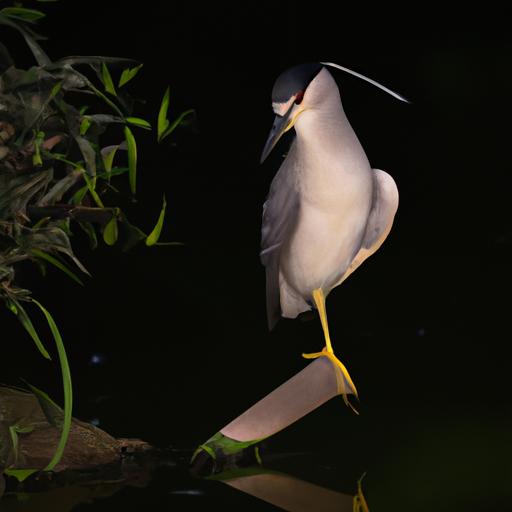
If you’re a nature lover, you’ve definitely heard of the night heron. This bird is a fascinating creature, and one of the most interesting nocturnal birds that exist. The night heron belongs to the family of herons, and it’s known for its unique behavior and physical appearance.
Night herons play an essential role in the ecosystem as they help to control the population of small animals and fish. They are also an important part of the food chain, serving as prey for larger animals. But why is the night heron so interesting to study?
The answer lies in its nocturnal behavior, which is unique among herons. Unlike other herons, which are active during the day, the night heron is active at night. This behavior helps them to avoid predators and hunt for food in a less crowded environment.
In addition, the night heron has a distinct physical appearance that makes it stand out from other herons. They have a stocky build, long legs, and a thick bill. Their feathers are usually gray or black, with distinctive red eyes.
In conclusion, the night heron is a fascinating bird that plays an essential role in the ecosystem. Its nocturnal behavior and unique physical appearance make it an interesting subject for scientific study. In the following sections, we will discuss the different types of night herons, their diet, conservation efforts, and answer some commonly asked questions about this amazing bird.
Contents
Description of the Night Heron
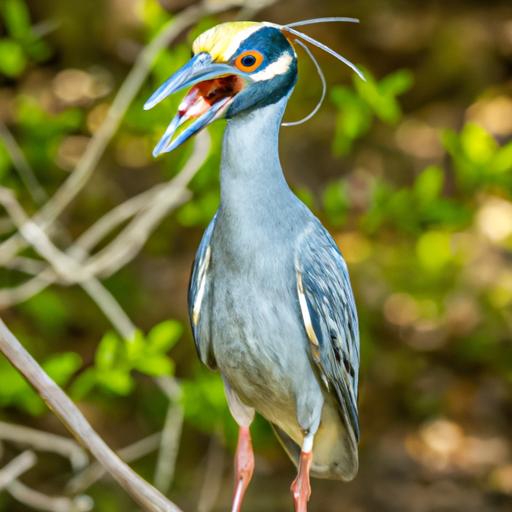
Night herons are fascinating creatures that are known for their unique physical appearance and behavior. Here are some important details about the night heron:
Physical Appearance of the Night Heron
The night heron has a distinct appearance that makes it easy to identify. It has a stocky build, long legs, and a thick bill. Their feathers are usually gray or black, with distinctive red eyes. These birds are medium-sized, with an average length of 64 cm and a wingspan of 105 cm.
Behavior and Habitat of the Night Heron
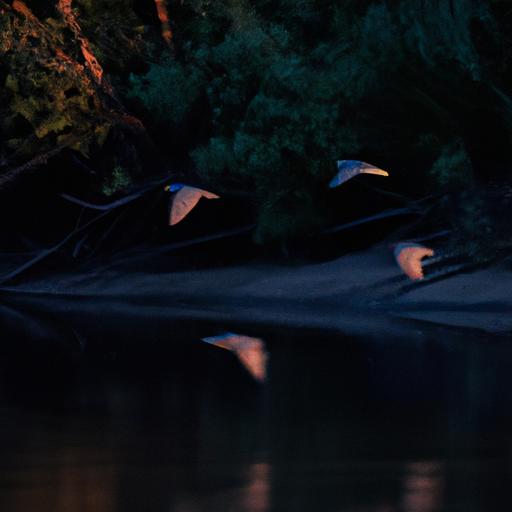
Night herons are primarily nocturnal birds, which means they are active at night and rest during the day. They are solitary birds and are usually found in wetland habitats such as marshes, swamps, and mangroves. These birds are known for their unique hunting style, which involves standing still and waiting for prey to come within reach. They then strike quickly and swallow their prey whole.
Migration Patterns of the Night Heron
Night herons are migratory birds, which means they travel to different locations depending on the season. In North America, they breed in the northern regions and migrate south during the winter months. They are also found in other parts of the world, including Europe, Asia, and Africa.
In conclusion, the night heron is a unique bird with a distinctive physical appearance and behavior. Its nocturnal habits make it an interesting subject for scientific study. In the following sections, we will discuss the different types of night herons, their diet, conservation efforts, and answer some commonly asked questions about this amazing bird.
Types of Night Herons
Night herons are divided into two types: the black-crowned night heron and the yellow-crowned night heron. Both types of night herons have distinct physical features that make them easy to distinguish from each other.
Black-crowned Night Heron
The black-crowned night heron is a medium-sized bird that is found in North and South America, Europe, and Asia. They have a black crown and back, gray wings, and a white belly. Their eyes are red, and they have a thick, powerful bill that they use to catch their prey.
Black-crowned night herons are often found in groups near water, such as ponds, lakes, and rivers. They are known for their unique hunting behavior, where they stand still in shallow water and wait for their prey to come by. Once their prey is within reach, they strike with lightning-fast speed.
Yellow-crowned Night Heron
The yellow-crowned night heron is a smaller bird than the black-crowned night heron, and it is found in the southeastern United States, the Caribbean, and parts of Central and South America. They have a yellow or orange crown and back, gray wings, and a white belly. Their eyes are yellow, and they have a long, slender bill that they use to catch their prey.
Yellow-crowned night herons are often found near saltwater marshes, swamps, and mangroves. They are more solitary than black-crowned night herons and are known for their unique hunting behavior, where they walk slowly along the water’s edge and use their bill to probe for prey in the mud or sand.
Differences between the two types of night herons
The main differences between the two types of night herons are their physical appearance, size, and hunting behavior. While black-crowned night herons are larger and have a more powerful bill, yellow-crowned night herons are smaller and have a more slender bill. Additionally, black-crowned night herons are often found in groups near freshwater, while yellow-crowned night herons are more solitary and are found near saltwater habitats.
Diet of the Night Heron
Night herons are carnivorous birds, and their diet consists mainly of fish, crustaceans, and insects. They are opportunistic feeders and will consume any prey they can catch.
Main Food Sources of the Night Heron
Fish is the primary food source for the night heron, and they have a unique hunting technique to catch them. They stand motionless in water and wait for their prey to swim by. Once they spot their target, they quickly strike with their sharp bill and swallow the fish whole.
Apart from fish, night herons also feed on a variety of crustaceans such as crabs and crawfish. Insects such as dragonflies and beetles are also part of their diet.
Hunting Techniques Used by the Night Heron
Night herons are skilled hunters and have several hunting techniques depending on their prey. Their main hunting technique for fish is standing motionless in water and waiting for their prey to appear. For crustaceans, they use their sharp bill to dig them out of the mud or sand.
They also hunt for insects by catching them in mid-air or snatching them off the surface of the water.
How the Night Heron Contributes to the Food Chain
The night heron plays an important role in the food chain as they help to control the population of small animals and fish. By consuming small animals, they prevent them from overpopulating and competing for resources.
In turn, the night heron serves as prey for larger animals such as eagles, hawks, and snakes. This helps to balance the ecosystem and ensures that the food chain remains intact.
In conclusion, the night heron’s diet consists mainly of fish, crustaceans, and insects. Their unique hunting techniques and role in the food chain make them an essential part of the ecosystem.
Conservation of the Night Heron
Night herons face several threats to their survival, including habitat loss, hunting, and pollution. Wetlands, where they usually reside, are being destroyed at an alarming rate, reducing their habitat. Hunting, whether for food or sport, poses a significant risk to the night heron population. Pollution also affects the quality of water and food sources, further endangering these birds.
Conservation organizations have taken measures to protect the night heron and their habitat. They have established protected areas and implemented laws to regulate hunting and the use of pesticides and other pollutants. They also conduct research to better understand the needs of the night heron and how to protect them.
Individuals can also play a crucial role in protecting the night heron. One way is to support conservation organizations financially or by volunteering. By doing this, individuals contribute to the efforts to protect the night heron and their habitat. Another way is to reduce the use of pesticides and pollutants that can harm the night heron and their food sources.
In conclusion, the conservation of the night heron is essential to ensure their survival and maintain the balance of the ecosystem. By supporting conservation organizations and reducing our impact on their environment, we can help protect these fascinating birds for future generations.
Conclusion
In conclusion, the night heron is an amazing bird that has captured the attention of many nature enthusiasts. Its unique nocturnal behavior and physical appearance make it a fascinating subject for scientific study.
As we’ve discussed, there are two types of night herons – the black-crowned night heron and the yellow-crowned night heron. Both of these birds play an essential role in the ecosystem, controlling the population of small animals and serving as prey for larger animals.
However, the night heron faces threats to its survival, including habitat loss and fragmentation, pollution, and climate change. Fortunately, there are efforts by conservation organizations to protect the night heron and its habitat. As individuals, we can also do our part to help preserve the night heron population by supporting conservation efforts and being mindful of our impact on the environment.
At Critter Kingdom, we believe in the importance of preserving nature and all its inhabitants, including the night heron. We hope this article has provided you with valuable information about this fascinating bird. Thank you for reading, and we invite you to explore our website for more articles on animals and nature.