

Wolves are powerful predators known for hunting in packs, traveling long distances, and surviving in some of the world’s most challenging environments. But what do wolves eat to maintain their strength and energy?
In the wild, gray wolves primarily eat meat from animals such as deer, elk, moose, caribou, and other hoofed mammals. Depending on their habitat, they may also hunt beavers, rabbits, hares, rodents, and occasionally fish or birds. Some wolves even consume berries and other plant material when these foods are available.
A wolf’s diet is not exactly the same everywhere. Its food choices depend on prey availability, season, habitat, pack size, and hunting conditions.
Understanding what wolves eat also helps explain their role as important predators in natural ecosystems.
What Do Wolves Eat in the Wild?
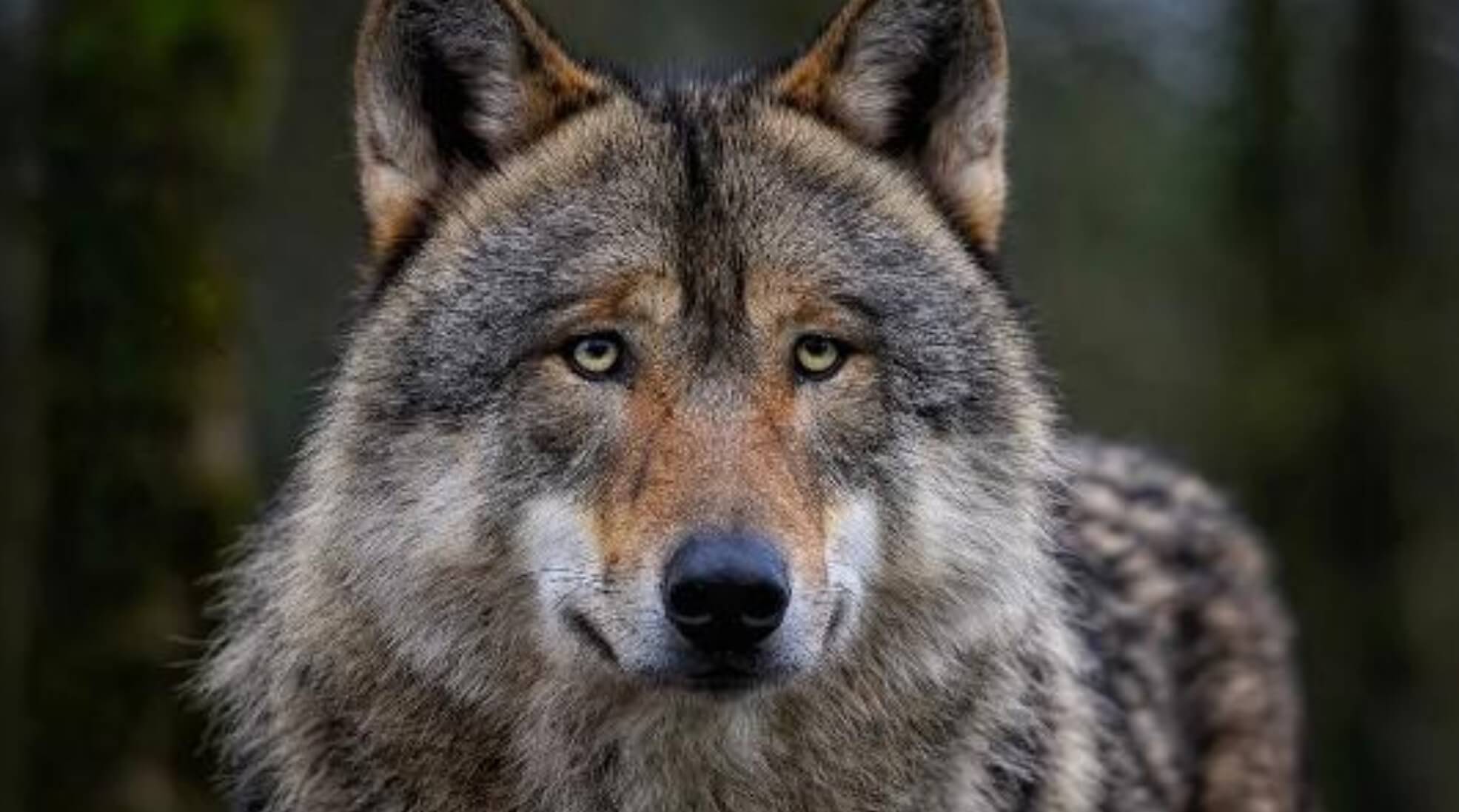
Gray wolves (Canis lupus) are carnivores. Their diet mainly consists of wild mammals, particularly ungulates—hoofed animals such as deer, elk, moose, and caribou.
These large animals provide substantial amounts of food when wolves successfully hunt them. However, wolves are adaptable predators and do not rely on just one prey species.
In North America, common wolf prey includes:
- White-tailed deer
- Mule deer
- Elk
- Moose
- Caribou
- Bison
- Beavers
- Rabbits and hares
- Rodents and other small mammals
The importance of each prey species varies by location.
For example, elk are a major food source for wolves in Yellowstone National Park. In parts of northeastern Minnesota, research has identified white-tailed deer, moose, and beavers as important components of wolf diets.
This regional variation explains why there is no single food list that applies to every wolf pack.
What Animals Do Wolves Hunt?
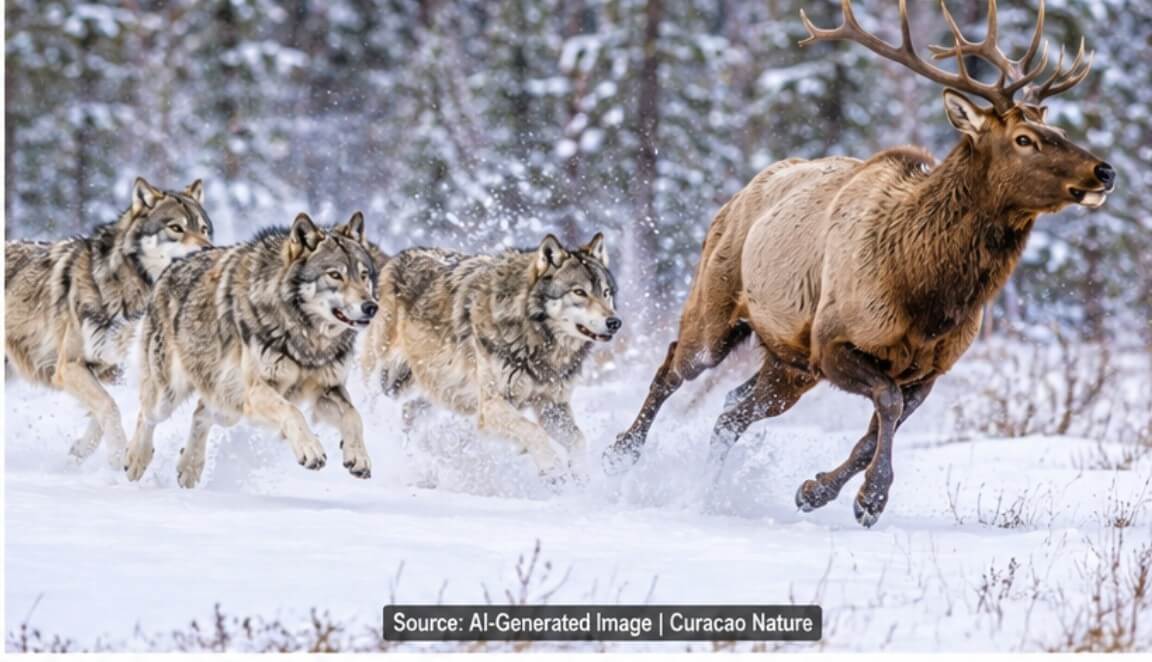
Wolves can hunt animals of different sizes, from small mammals to large ungulates. Their main prey depends on what lives in their territory and which animals they can successfully catch.
1. Deer
Deer are among the most important prey animals for many gray wolf populations.
Depending on the region, wolves may hunt white-tailed deer, mule deer, and other deer species. Young fawns can be particularly vulnerable, especially during the spring and summer.
Wolves may also target adult deer that are injured, weakened, isolated, or less able to escape.
Deer are important because they provide a useful source of meat and are widely distributed across many North American habitats.
2. Elk
Elk are a major food source for wolves in parts of the western United States.
In Yellowstone, elk have historically been one of the most important prey species for gray wolves. However, hunting elk is not always easy. Adult elk are large, strong animals that can seriously injure a predator.
Wolves may focus on vulnerable individuals, including calves, older animals, or elk weakened by harsh winter conditions.
Research in Yellowstone has shown that prey selection changes with the seasons, partly because the condition and vulnerability of elk change throughout the year.
3. Moose
Moose are among the largest animals wolves hunt.
Although a healthy adult moose can be dangerous, wolves may hunt moose when they are available in their territory. Young, injured, or weakened individuals may be more vulnerable.
Moose are especially important in some northern ecosystems, including parts of Canada, Alaska, and northeastern Minnesota.
A 2024 study of wolf diets in northeastern Minnesota found that moose, white-tailed deer, and beavers made up much of the wolves’ diet. The relative importance of each prey species differed among study areas.
4. Caribou
Caribou are important prey for some wolf populations in northern regions.
Because caribou often migrate across large areas, their movements can influence where wolves travel and hunt.
Wolves may follow or encounter caribou herds during seasonal movements. Calves and vulnerable individuals can be particularly susceptible to predation.
However, caribou are not a major food source for every wolf population. Their importance depends on whether wolves and caribou share the same habitat.
5. Bison
Wolves sometimes hunt bison, particularly in areas where the two species live together.
Bison are powerful animals with strong defensive abilities. Hunting a healthy adult can be risky, so wolves may target calves, weakened individuals, or animals separated from the herd.
Wolves may also scavenge bison carcasses when the opportunity arises.
In Yellowstone, bison have become an important part of the broader wolf food system, although the extent to which wolves hunt or scavenge them varies.
6. Beavers
Beavers are another food source for wolves, particularly in areas with wetlands, rivers, and lakes.
Unlike large ungulates, beavers are smaller prey that wolves may hunt individually or in small groups.
Beavers can be especially important during certain seasons. Research in northeastern Minnesota has documented beavers as a meaningful component of wolf diets in some study areas.
7. Rabbits, Hares, and Small Mammals
Wolves do not always need to hunt large animals.
They may also eat:
- Snowshoe hares
- Rabbits
- Squirrels
- Mice
- Other rodents
- Small mammals that are easy to catch
These animals provide additional food when larger prey is difficult to find or unavailable.
Although small mammals usually provide less meat per animal, they can still contribute to a wolf’s overall diet.
8. Birds and Fish
Wolves may occasionally consume birds and fish.
Fish can become available in certain habitats, particularly near rivers, lakes, and coastal environments. Birds may also be eaten when wolves encounter vulnerable individuals or nests.
These foods are generally opportunistic additions rather than the primary food source for most gray wolf populations.
Do Wolves Eat Plants or Berries?
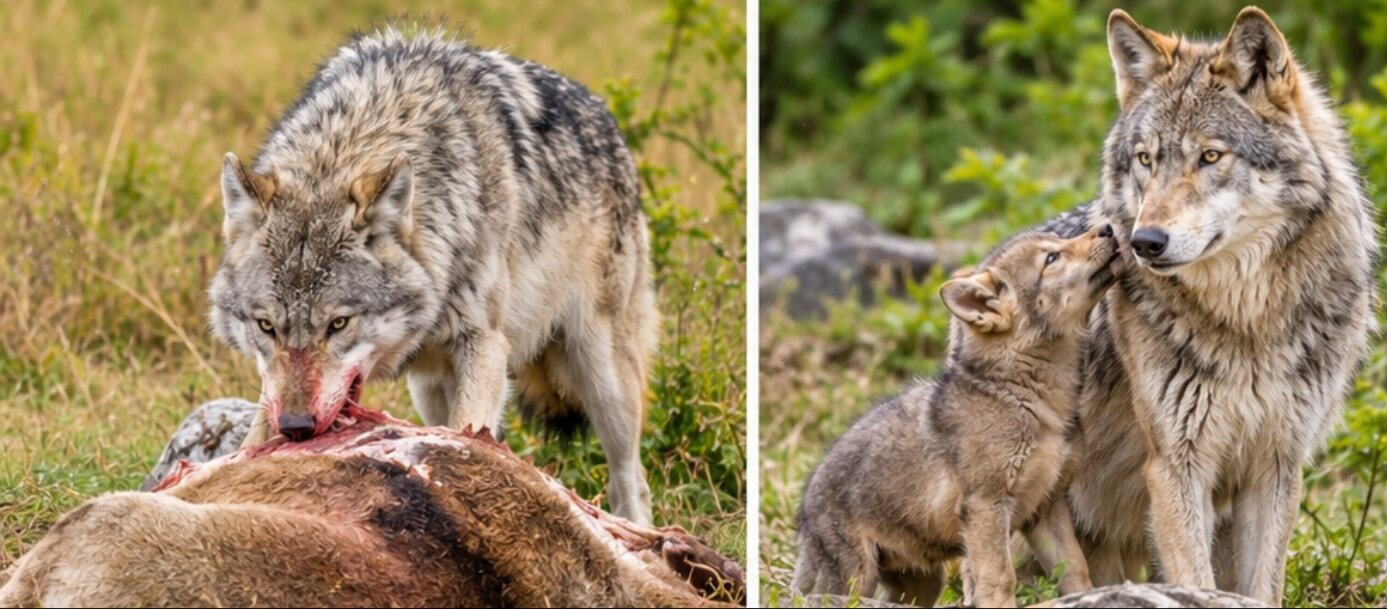
Wolves are classified as carnivores, but their diet is not always limited to meat.
Some wolves occasionally eat berries and other plant material. This behavior has been documented in field studies.
One study of a wolf pack in northeastern Minnesota examined dietary changes over a 15-week period. Researchers found that berries became a substantial part of the estimated diet biomass during part of the summer.
This finding is interesting because it demonstrates how flexible wolf feeding behavior can be.
However, it does not mean wolves are omnivores in the same way as bears. Animal prey remains the foundation of the gray wolf’s diet.
How Do Wolves Hunt Their Prey?
Wolves use a combination of endurance, teamwork, communication, and knowledge of their environment to hunt.
Unlike predators that depend mainly on short bursts of speed, wolves can travel long distances while searching for food.
Their hunting process may involve several stages.
1. Searching for Prey
Wolves use their sense of smell, hearing, and vision to locate potential prey.
They may travel through forests, open areas, valleys, and other parts of their territory while searching for signs of animals.
Tracks, scent trails, and movement can help wolves identify where prey may be located.
2. Approaching the Target
Once wolves locate potential prey, they may approach carefully.
The pack may assess the animal’s size, condition, behavior, and position relative to the rest of the group.
Wolves do not automatically attack every animal they encounter. A dangerous or healthy adult animal may be too risky to pursue.
3. Chasing and Isolating Prey
If the wolves decide to hunt, they may chase the target and attempt to separate it from the group.
Young, injured, weak, or isolated animals may be easier to catch.
Pack members can coordinate their movements, although the level of cooperation varies depending on the situation.
4. Feeding After a Successful Hunt
After a successful kill, wolves begin feeding.
They may consume nutritious organs and muscle tissue, followed by other usable parts of the carcass.
A successful hunt can provide food for several members of the pack. Other scavengers may also benefit from the remains.
Not every hunt succeeds, and the energy spent searching and chasing prey can be considerable.
Do All Wolf Packs Eat the Same Food?
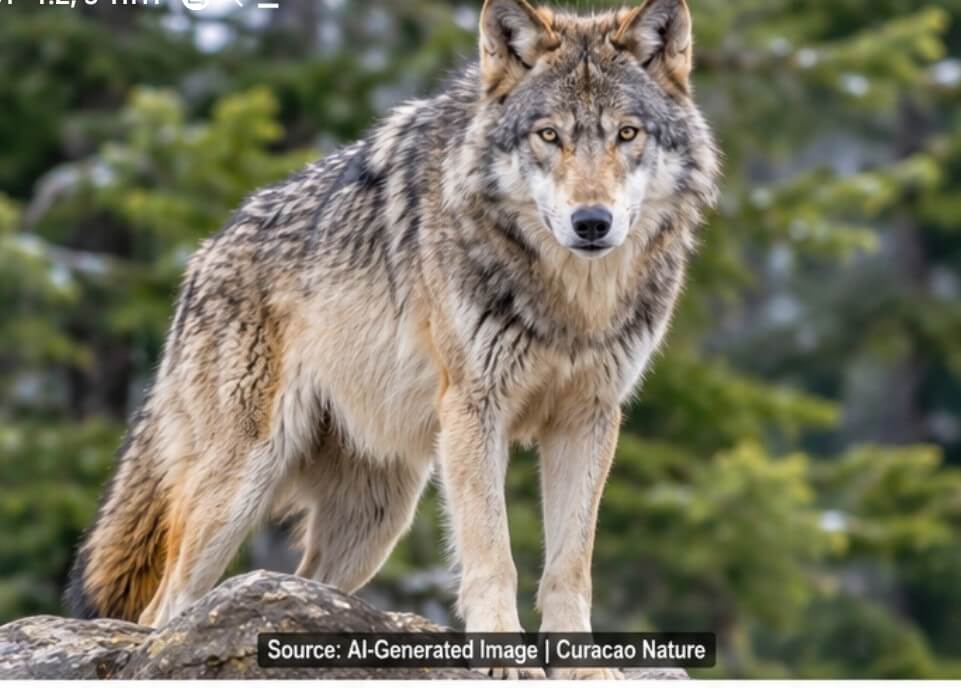
No. Wolf diets can vary significantly between regions, seasons, and individual packs.
Several factors influence what wolves eat.
Geographic Location
Wolves living in different habitats have access to different prey species.
For example:
- Wolves in Yellowstone commonly hunt elk and other ungulates.
- Wolves in parts of Minnesota may rely on deer, moose, and beavers.
- Northern populations may encounter caribou and other cold-region prey.
- Wolves in some coastal environments may have access to fish and marine food sources.
Seasonal Changes
Food availability changes throughout the year.
During spring and summer, young deer, elk calves, and other newborn animals may become more accessible.
During winter, snow and weather conditions can affect how easily wolves and their prey move.
Seasonal changes can also influence prey condition and hunting risk.
Prey Availability
Wolves are opportunistic predators. They tend to use food sources that are available and accessible.
If one prey species becomes less common, wolves may increase their use of other available animals.
This flexibility is one reason gray wolves can survive across a wide range of habitats.
Pack Size and Hunting Conditions
Pack size can influence which prey animals wolves are capable of hunting.
A larger group may be better equipped to challenge large prey, while smaller groups or lone wolves may focus on more manageable animals.
However, pack size does not guarantee hunting success. Terrain, weather, prey behavior, and the experience of individual wolves all matter.
How Much Do Wolves Eat?
There is no single daily food requirement that applies to every wild wolf.
Food needs depend on several factors, including:
- Body size and age
- Activity level
- Weather conditions
- Reproductive status
- Availability of prey
- Time since the last successful hunt
The Smithsonian’s National Zoo gives an approximate average of three to four pounds of food per day for gray wolves.
This figure is a general reference, not a strict daily amount for every wild wolf.
Wild wolves often experience an irregular feeding pattern. They may go without a successful kill for a period of time and then consume a large amount of food after a hunt.
This pattern is sometimes described as feast-or-famine feeding.
A large meal after a successful hunt should not be confused with the amount a wolf needs to eat every day.
How Often Do Wolves Hunt?
Wolves do not necessarily make a kill every day.
They may spend considerable time traveling, searching for prey, and attempting hunts before succeeding.
The frequency of successful hunts depends on:
- Pack size
- Prey abundance
- Weather and snow conditions
- Habitat and terrain
- The size and condition of available prey
Research in Yellowstone has documented seasonal differences in wolf hunting and food acquisition.
For example, the vulnerability of elk can change throughout the year. Young animals may be more vulnerable during certain seasons, while winter conditions can make some adult prey easier to catch.
Because these factors vary, it is misleading to give one fixed number of kills per week as a rule for all wolves.
Do Wolves Scavenge?
Yes. Wolves are active hunters, but they also scavenge when food is available.
Scavenging means eating animals that have already died, whether from natural causes, injuries, disease, hunting by another predator, or other circumstances.
Wolves may feed on old carcasses when fresh prey is difficult to obtain.
They may also consume remains left by other predators or animals killed by humans.
Scavenging is a useful survival strategy because it allows wolves to obtain food without having to make every meal through a successful hunt.
Do Wolves Eat Livestock?
Wolves may sometimes prey on domestic animals such as sheep, goats, cattle, and other livestock.
However, livestock is not the main food source for every wolf population.
The likelihood of livestock predation depends on several factors:
- Whether livestock are kept near wolf habitat
- The availability of natural prey
- The presence of protective fencing or other deterrents
- Herd management practices
- Local environmental conditions
In areas where wolves and livestock share landscapes, conflict prevention and responsible livestock management can help reduce losses.
It is important to distinguish occasional livestock predation from the normal diet of wolves living in the wild.
What Do Wolf Pups Eat?
Wolf pups have different nutritional needs from adult wolves.
During their earliest weeks, pups depend on their mother’s milk.
As they grow, they gradually begin eating solid food. Adult wolves may bring food back to the den or rendezvous site for the pups.
Adults can also regurgitate partially digested food, allowing young pups to receive meat before they are ready to participate in hunts.
As the pups mature, they begin eating more solid food and eventually learn hunting behaviors from other members of the pack.
This family-based feeding behavior helps young wolves develop and survive.
Why Is a Wolf’s Diet Important to the Ecosystem?
Wolves are top predators in many ecosystems. Their feeding behavior can influence prey populations and food-web relationships.
By hunting animals such as deer and elk, wolves contribute to natural predator-prey dynamics.
Their presence may also influence where prey animals spend time and how they move through their habitat.
After wolves feed on a carcass, the remains can provide food for other wildlife, including ravens, eagles, bears, and smaller scavengers.
However, the ecological effects of wolves are complex.
They depend on the ecosystem, prey abundance, other predators, climate, and human activity. Wolves do not produce exactly the same ecological effects in every landscape.
Understanding their diet is therefore an important part of understanding how wildlife communities function.
Frequently Asked Questions About What Wolves Eat
What is a wolf’s favorite food?
There is no single favorite food for all wolves. Many gray wolf populations rely heavily on deer, elk, moose, or caribou, depending on which prey species are available in their habitat.
Do wolves eat deer?
Yes. Deer are among the most important prey species for many gray wolf populations, particularly in North America.
Do wolves eat moose?
Yes. Wolves hunt moose in areas where the two species share habitat. Young, injured, or weakened moose may be more vulnerable, although hunting a large adult can be dangerous.
Do wolves eat bears?
Wolves do not generally rely on bears as a regular prey species. Interactions between wolves and bears may involve competition, conflict, or scavenging around animal carcasses.
Do wolves eat dogs?
Wolves may attack domestic dogs in certain circumstances, particularly where dogs enter or approach wolf territory. However, domestic dogs are not a normal primary food source for most wolf populations.
Do wolves eat fish?
Some wolves eat fish when it is available. The importance of fish in their diet varies by location and season.
Are wolves carnivores or omnivores?
Wolves are classified as carnivores because their diet is primarily based on animal prey. They may occasionally eat berries or other plant material, but meat remains their main food source.
Can wolves eat 20 pounds of meat at once?
Wolves can consume large meals after successful hunts, but the amount varies with body size, food availability, and circumstances. A large meal is not the same as a daily food requirement.
Do wolves eat every day?
Not necessarily. Wild wolves may go through periods without a successful hunt and then eat a large amount when prey becomes available.
What do wolves eat in winter?
Winter diets depend on local prey availability. Wolves may hunt deer, elk, moose, caribou, or other animals that live in their territory. Snow and weather conditions can influence which prey are easiest to catch.
Final Thoughts
So, what do wolves eat? The answer depends largely on where they live and what food is available.
Gray wolves mainly eat meat from animals such as deer, elk, moose, caribou, and other hoofed mammals. They may also hunt beavers, rabbits, hares, rodents, birds, and fish. In some regions and seasons, they occasionally consume berries and other plant material.
Their flexible diet, cooperative hunting behavior, and ability to adapt to changing food sources help explain why wolves survive in such a wide range of environments.
By understanding what wolves eat, we can better appreciate their role as predators and their importance in the ecosystems they inhabit.
References
The following sources provide background information and research support for this article. Review the original pages before publication and ensure each source supports the specific claim being cited.
- Smithsonian’s National Zoo – Gray Wolf
https://nationalzoo.si.edu/animals/gray-wolf
General information about gray wolf prey, feeding behavior, and approximate food intake. - U.S. Geological Survey – Weekly Summer Diet of Gray Wolves in Northeastern Minnesota
https://www.usgs.gov/publications/weekly-summer-diet-gray-wolves-canis-lupus-northeastern-minnesota
Research on short-term dietary changes in one wolf pack, including seasonal use of deer, hares, and berries. - U.S. Geological Survey – Gray Wolf Predation Patterns Following Recent Recolonization
https://www.usgs.gov/publications/gray-wolf-canis-lupus-predation-patterns-following-recent-recolonization-a-multi
Research on prey composition and seasonal variation in a North American multi-predator system. - PubMed – Spatial and Temporal Variability in Summer Diet of Gray Wolves in the Greater Yellowstone Ecosystem
https://pubmed.ncbi.nlm.nih.gov/34393668/
Study analyzing wolf scat samples and documenting variation in summer diet among packs, years, and regions. - Journal of Nutrition – Foraging and Feeding Ecology of the Gray Wolf
https://jn.nutrition.org/content/136/7/1923S.full
Research review discussing wolf feeding ecology and prey selection in Yellowstone. - U.S. National Park Service – Temporal Variation in Wolf Predation Dynamics
https://home.nps.gov/articles/temporal-variation-in-wolf-predation-dynamics.htm
Background on seasonal changes in prey vulnerability and wolf predation.