


Are you considering adding a Bengal cat to your family? These stunning cats are known for their unique coat patterns and playful personalities. But before you make the decision to bring one home, it’s important to understand what makes this breed so special.
Introduction
A. Brief history of Bengal cat breed
The Bengal cat breed was created in the 1980s by crossing an Asian leopard cat with a domestic cat. The goal was to develop a breed that looked like a wild cat but had the temperament of a domestic cat. This breeding program was successful, and the Bengal cat breed was recognized by the International Cat Association (TICA) in 1986.
B. Characteristics and personality of Bengal cats
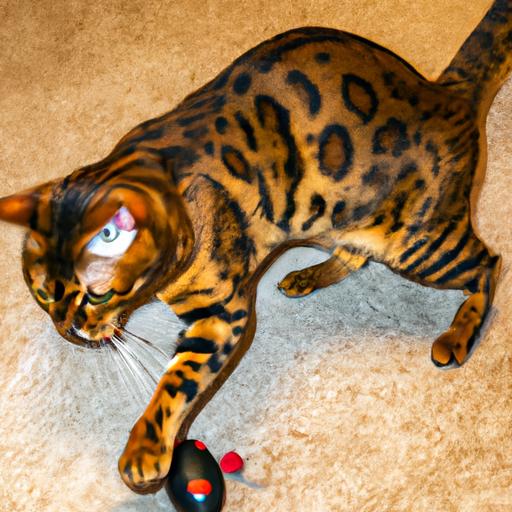
Bengal cats are known for their striking coat patterns, which resemble those of wild cats. They have a muscular build and are typically larger than most domestic cats. However, their size and appearance are not the only things that make them stand out.
Bengal cats are also known for their playful personalities and high energy levels. They love to play, climb, and explore, making them a great choice for families with children or other pets. They are also extremely intelligent and can be trained to do tricks or walk on a leash.
C. Importance of understanding Bengal cat breed
Before bringing a Bengal cat into your home, it’s important to understand their unique personality and needs. They require plenty of mental and physical stimulation to stay happy and healthy, and they may not be the right fit for every family. By learning more about Bengal cats, you can make an informed decision about whether this breed is right for you.
In the next section, we’ll take a closer look at the physical characteristics of Bengal cats, including their coat patterns and size.
Appearance and Physical Characteristics

Bengal cats are known for their stunning appearance and unique coat patterns. In this section, we’ll take a closer look at the physical characteristics of Bengal cats, including their coat patterns, size, and unique features.
A. Coat and color variations
Bengal cats have a short, soft coat that is covered in distinctive spots or marbled patterns. The coat can come in a variety of colors, including brown, silver, and snow. The brown coat is the most common, with black or dark brown spots on a lighter brown background. The silver coat is less common but has a beautiful, shimmery appearance. Snow Bengals have a white or cream-colored coat with darker spots.
B. Size and weight
Bengal cats are typically larger than most domestic cats, with males weighing between 10-15 pounds and females weighing between 8-12 pounds. They have a muscular build, with strong legs and a broad chest.
C. Unique physical features of Bengal cats
Bengal cats have several unique physical features that set them apart from other breeds. One of the most distinctive features is their large, almond-shaped eyes, which are usually green or gold in color. They also have a broad, flat nose and wide-set ears with a small tuft of fur at the tips.
Another unique feature of Bengal cats is their muscular build and athletic ability. They are known for their agility and love to climb and explore. Some Bengals have even been trained to walk on a leash and perform tricks.
In the next section, we’ll take a closer look at the personality traits and temperament of Bengal cats.
Personality Traits and Temperament
Bengal cats are not only known for their unique appearance but also for their playful and affectionate personalities. Let’s take a closer look at their personality traits and temperament.
One of the most notable personality traits of Bengal cats is their affectionate and social behavior. They crave attention from their owners and love to be petted and cuddled. They will often follow their owners around the house and may even try to climb onto their laps.
Bengal cats are also known for their vocalizations, often meowing to get their owner’s attention or to express their emotions. They are not shy about vocalizing their needs and desires, which can make them a great companion for those looking for an interactive pet.
B. Playful and energetic nature
Bengal cats have a high energy level and love to play. They are active cats that require plenty of mental and physical stimulation to stay happy and healthy. Providing them with toys, scratching posts, and climbing structures can help keep them entertained and prevent destructive behavior.
They are also excellent jumpers and climbers, so providing them with opportunities to climb and explore can be beneficial for their physical and mental wellbeing. By providing them with plenty of playtime and exercise, you can help them burn off excess energy and prevent boredom.
C. Intelligence and trainability
Bengal cats are highly intelligent and can be trained to do tricks or walk on a leash. They are also very curious and like to explore their surroundings, which can sometimes lead to mischievous behavior. However, with proper training and socialization, they can be well-behaved pets.
Positive reinforcement training techniques are the best way to train a Bengal cat, as they respond well to rewards and praise. By providing them with plenty of mental stimulation and training opportunities, you can help them develop their intelligence and keep them mentally engaged.
Health and Care
Taking care of a Bengal cat involves more than just providing food and water. To keep your cat healthy and happy, you also need to pay attention to their health and grooming needs. In this section, we’ll explore common health issues in Bengal cats, their nutritional requirements, and grooming tips.
A. Common health issues in Bengal cats
Like all breeds of cats, Bengal cats are prone to certain health issues. Some of the most common health problems seen in this breed include:
- Hypertrophic cardiomyopathy (HCM): a heart condition that can cause heart failure
- Patellar luxation: a dislocation of the kneecap
- Progressive retinal atrophy (PRA): a degenerative eye disease that can cause blindness
- Flat-chested kitten syndrome: a condition that affects kittens and can cause respiratory problems
It’s important to schedule regular check-ups with your veterinarian to catch any health issues early on.
B. Nutritional requirements and diet
Bengal cats require a balanced diet that is high in protein and low in carbohydrates. Look for cat food that contains animal-based protein sources, such as chicken, turkey, or fish. Avoid foods that contain fillers like wheat or corn, as these can cause digestive issues.
It’s also important to monitor your cat’s weight and adjust their food intake accordingly. Make sure they have access to fresh water at all times.
C. Grooming tips for Bengal cats
Bengal cats have short, dense coats that require minimal grooming. They do shed, so regular brushing can help control hairballs and keep their coat looking shiny. You should also trim their nails regularly to prevent them from becoming too long.
In addition to grooming, it’s important to provide your Bengal cat with plenty of mental and physical stimulation. They love to play and explore, so make sure they have access to toys, scratching posts, and plenty of space to run and climb.
By following these tips, you can help ensure that your Bengal cat stays healthy and happy for years to come.
Bengal Cats as Pets
Bengal cats make excellent pets for the right family. In this section, we’ll take a closer look at the best living conditions for Bengal cats, how to bond and train with them, and the benefits and challenges of owning one.
A. Best living conditions for Bengal cats
Bengal cats need plenty of space to play, climb, and explore. They also require mental stimulation to keep their active minds engaged. Ideally, a Bengal cat should have access to a large, secure outdoor space where they can run and play. If this isn’t possible, you can create an indoor environment that mimics the outdoors with plenty of toys, scratching posts, and climbing structures.
Bengal cats are also highly social animals and should not be left alone for long periods of time. If you work long hours or travel frequently, it’s important to provide your Bengal cat with plenty of mental stimulation and companionship while you’re away. Consider hiring a pet sitter or asking a friend to check in on your cat during the day.
B. Bonding and training with Bengal cats
Bengal cats are extremely intelligent and can be trained to do tricks, walk on a leash, and even use the toilet. However, they require patience and positive reinforcement to learn new behaviors. When training your Bengal cat, it’s important to use rewards such as treats or praise to reinforce good behavior.
To bond with your Bengal cat, spend time playing with them and providing plenty of affection. They love to cuddle and are extremely affectionate with their owners. However, they may take some time to warm up to strangers or new pets in the household.
C. Benefits and challenges of owning a Bengal cat
Owning a Bengal cat can be a rewarding experience, but it does come with some challenges. These cats require plenty of attention and mental stimulation to stay happy and healthy. They also have high energy levels and may not be a good fit for families with young children or other pets.
However, the benefits of owning a Bengal cat far outweigh the challenges. These cats are incredibly affectionate and playful, making them great companions for families and individuals alike. They are also highly intelligent and can provide endless entertainment with their playful antics.
In conclusion, owning a Bengal cat is a big responsibility, but it can also be an incredibly rewarding experience. By providing your cat with the right living conditions, training, and affection, you can build a strong bond and enjoy a lifetime of happiness together.
Conclusion
In conclusion, the Bengal cat breed is a unique and fascinating breed that requires a special understanding of their needs and personality. From their stunning coat patterns to their playful and energetic personalities, Bengal cats are sure to capture your heart.
Remember, owning a Bengal cat is a commitment and requires plenty of time, attention, and resources. But for those who are willing to put in the effort, the rewards are immeasurable. Whether you’re a first-time cat owner or an experienced cat lover, a Bengal cat can be a wonderful addition to your family.
At Critter Kingdom, we are dedicated to providing you with the information and resources you need to care for your Bengal cat and all your furry friends. From nutrition and grooming to training and behavior, we are here to help you every step of the way.
So, if you’re ready to welcome a Bengal cat into your home, be sure to do your research, find a reputable breeder or rescue organization, and prepare to be amazed by the beauty and personality of this incredible breed.