

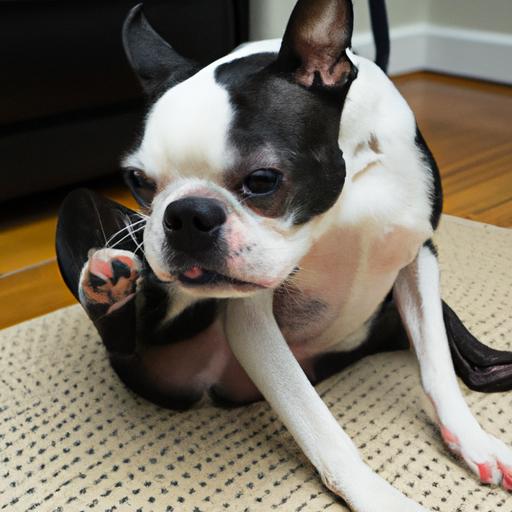
Are you a Boston Terrier owner worried about your furry friend’s allergies? Boston Terriers are susceptible to various allergies that can cause discomfort and pain. As a responsible pet owner, it is vital to understand the symptoms and causes of these allergies to ensure your pet’s well-being.
Boston Terrier allergies are the body’s immune response to allergens such as pollen, dust, food, and flea bites. These allergens can cause an overreaction of the immune system, leading to various symptoms such as itchy skin, redness, inflammation, sneezing, coughing, ear infections, and digestive issues.
It is crucial to identify the symptoms of Boston Terrier allergies early on to prevent further complications. For instance, if you notice your pet scratching excessively or developing red patches on their skin, it may be a sign of allergies. Other symptoms such as frequent ear infections, watery eyes, and increased sneezing or coughing should also be taken seriously.
Understanding the causes of Boston Terrier allergies is equally important. Environmental factors such as pollen, dust, and mold can trigger allergies in your pet. Additionally, food allergies can also cause skin irritation and digestive issues. Genetic factors may also play a role in your pet’s allergies.
In conclusion, as a Boston Terrier owner, it is essential to be aware of the symptoms and causes of allergies to ensure your pet’s comfort and well-being. In the next section, we will delve deeper into the different symptoms of Boston Terrier allergies.
Symptoms of Boston Terrier Allergies

As a Boston Terrier owner, it is essential to be aware of the different symptoms that your pet may exhibit when suffering from allergies. Here are some of the common symptoms of Boston Terrier allergies:
Itchy skin
If your Boston Terrier is experiencing allergies, they may start scratching their skin frequently, which can lead to hair loss and skin damage. The itchiness may also cause your pet to lick or bite their skin, leading to further irritation.
Redness and inflammation
Allergies can cause your pet’s skin to become red and inflamed. This can occur in specific areas or all over their body, depending on the allergen.
Sneezing and coughing
If your Boston Terrier has allergies, they may start sneezing or coughing more frequently than usual. This is a sign that their respiratory system is reacting to the allergen.
Ear infections
Allergies can cause ear infections in Boston Terriers. This can lead to discharge, inflammation, and pain in your pet’s ears.
Digestive issues
Food allergies can cause digestive issues such as vomiting, diarrhea, and abdominal pain. This can be uncomfortable and painful for your pet, leading to a decreased appetite and weight loss.
In conclusion, if your Boston Terrier is exhibiting any of these symptoms, it is crucial to seek veterinary care. In the next section, we will discuss the different causes of Boston Terrier allergies.
Causes of Boston Terrier Allergies

If you suspect your Boston Terrier is suffering from allergies, it is crucial to identify the underlying cause to provide the right treatment. Below are the common causes of Boston Terrier allergies:
Environmental Allergens
Environmental allergens such as pollen, dust, and mold can cause allergies in your Boston Terrier. These allergens can enter your pet’s body through inhalation or skin contact, leading to various symptoms such as itchy skin, redness, and inflammation.
Food Allergies
Food allergies can also cause skin irritation and digestive issues in your Boston Terrier. Common food allergens for dogs include chicken, beef, dairy, and wheat. If you suspect your pet has a food allergy, it is recommended to switch to a hypoallergenic diet or conduct food allergy testing.
Genetics
Genetic factors can also play a role in your Boston Terrier’s allergies. If your pet has a family history of allergies, they are more likely to develop allergies too. Additionally, some breeds are more susceptible to allergies than others.
Fleas and Other Parasites
Fleas and other parasites can cause allergies in your Boston Terrier. These parasites can bite your pet, leading to skin irritation and itching. It is essential to keep your pet clean and use flea and tick prevention products to avoid these allergies.
In the next section, we will discuss the various treatment options for Boston Terrier allergies.
Treatment Options for Boston Terrier Allergies
As a Boston Terrier owner, watching your pet suffer from allergies can be a challenging experience. Fortunately, there are various treatment options available to help reduce your pet’s symptoms and improve their quality of life.
Allergy Shots
Allergy shots, also known as immunotherapy, are a common treatment option for dogs with allergies. Allergy shots work by exposing your pet to small amounts of the allergen, gradually increasing the dosage over time to desensitize their immune system. This treatment option is often effective in reducing the severity of your pet’s allergies.
Antihistamines and Other Medications
Antihistamines are a common medication used to treat allergies in dogs. These medications work by blocking the release of histamine, which is responsible for many allergy symptoms. Other medications such as corticosteroids and cyclosporine may also be prescribed by your veterinarian to help manage your pet’s allergies.
Changes in Diet and Environment
Changing your pet’s diet and environment can also be effective in reducing allergy symptoms. For instance, switching to a hypoallergenic diet or avoiding certain foods that trigger allergies can improve your pet’s condition. Additionally, reducing exposure to environmental allergens such as dust and pollen can also be helpful.
Natural Remedies
Natural remedies such as omega-3 fatty acids, coconut oil, and apple cider vinegar have also been shown to help reduce allergy symptoms in dogs. However, it is important to consult with your veterinarian before using any natural remedies to ensure they are safe and effective for your pet.
In conclusion, there are various treatment options available to help manage your Boston Terrier’s allergies. Working with your veterinarian to determine the best course of treatment for your pet can help improve their quality of life and reduce their discomfort.
Prevention of Boston Terrier Allergies
As the saying goes, prevention is better than cure. It is always better to prevent your Boston Terrier from developing allergies than to treat them. Here are some tips to prevent Boston Terrier allergies:
Regular Grooming and Cleaning
Regular grooming and cleaning are essential to prevent allergens from accumulating on your pet’s skin and fur. Brushing your pet regularly will help remove any potential allergens that may have attached to their fur. You can also bathe your pet with hypoallergenic shampoo to keep their skin clean and free from irritants.
Avoiding Common Allergens
Boston Terriers can be allergic to various things, including pollen, dust, and mold. It is essential to identify the allergens that trigger your pet’s allergies and try to avoid them. For instance, if your pet is allergic to pollen, avoid taking them for walks during high pollen seasons. If they are allergic to dust, ensure that you clean their bedding regularly.
Proper Nutrition and Exercise
Proper nutrition and exercise can help prevent Boston Terrier allergies. Ensure that your pet is fed a well-balanced diet that meets their nutritional needs. A healthy diet will help boost your pet’s immune system, making them less susceptible to allergies. Regular exercise will also help keep your pet’s immune system strong.
In conclusion, preventing Boston Terrier allergies is all about keeping your pet clean, avoiding potential allergens, and promoting a healthy lifestyle. By following these tips, you can help keep your furry friend healthy and happy.
Conclusion
In conclusion, Boston Terrier allergies can cause discomfort and pain for your furry friend. As a responsible pet owner, it is crucial to understand the symptoms and causes of these allergies to ensure your pet’s well-being. By identifying the symptoms early on, you can prevent further complications and seek appropriate treatment.
Remember to take preventive measures such as regular grooming and cleaning, avoiding common allergens, and providing proper nutrition and exercise. Additionally, consulting with your veterinarian for treatment options such as allergy shots, antihistamines, or changes in diet and environment can help alleviate your pet’s allergies.
Critter Kingdom is committed to providing valuable information and resources for pet owners. We hope that this article has been informative and helpful in understanding Boston Terrier allergies. Stay tuned for more informative content on our website. Thank you for choosing Critter Kingdom as your go-to source for all things pets!