

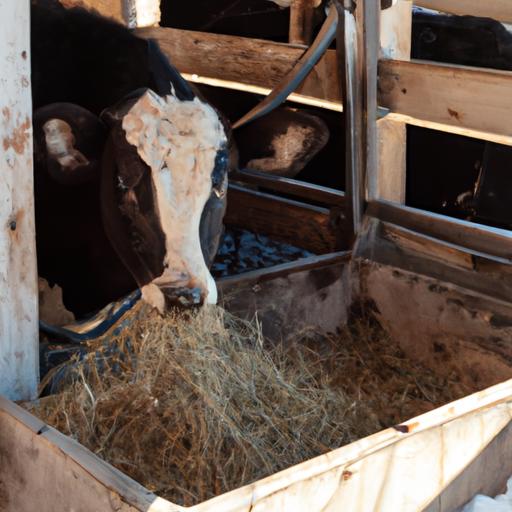
As a farmer or cow enthusiast, you may have heard the term “hay cow” thrown around, but what exactly does it mean? In simple terms, a hay cow is a cow that is fed hay as a primary source of nutrition. Hay is a type of dried grass or legume that is harvested and stored for feeding to animals during periods when fresh pasture is not available.
Hay cows play a vital role in agriculture, especially in areas where grazing land is limited or unavailable. Hay is an essential food source for cows during the winter months when fresh grass is scarce. Additionally, hay is an excellent source of fiber and nutrients, making it an essential part of a cow’s diet.
The history of hay cows dates back to the early days of agriculture, when farmers realized the importance of preserving food for their livestock during the winter months. They began to cut and dry grass and legumes, storing them in barns for later use. Over the years, farmers have developed various methods for harvesting, storing, and feeding hay to their cows, making it an integral part of modern-day agriculture.
Contents
Benefits of Feeding Hay Cow

Feeding hay cows has numerous benefits, both for the cows and for farmers. Here are some of the top benefits of feeding hay to cows:
High Nutritional Value of Hay
Hay is an excellent source of fiber, protein, and essential nutrients like calcium and phosphorus. The high fiber content in hay helps to keep cows’ digestive systems healthy and functioning properly. Additionally, hay provides cows with the energy they need to stay active and healthy.
Health Benefits for Cows
Feeding hay to cows has many health benefits, such as reducing the risk of digestive problems like bloat and diarrhea. The high fiber content in hay helps to keep cows’ digestive systems healthy and functioning properly. Additionally, feeding hay can lead to healthier cows with stronger immune systems, reducing the risk of diseases and infections.
Cost-Effective Feeding Method for Farmers
Feeding hay cows is a cost-effective feeding method for farmers, especially in areas where grazing land is limited or unavailable. While hay can be expensive to purchase, it is often more cost-effective than other feeding methods like grain. Additionally, feeding hay allows farmers to have more control over their cows’ diet, ensuring they receive the proper nutrients and fiber they need to stay healthy.
Types of Hay Cow
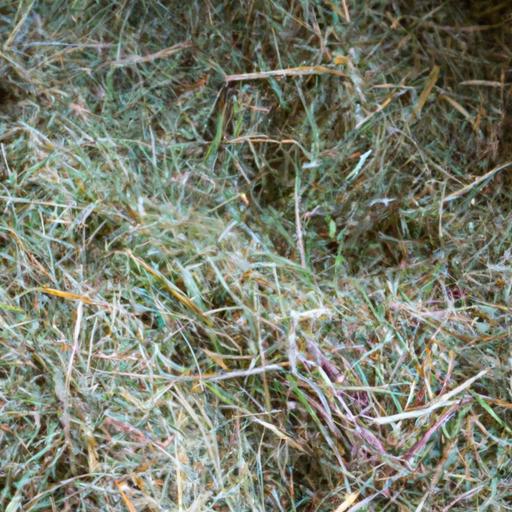
When it comes to feeding your cows, choosing the right type of hay is crucial. Different types of hay offer varying nutritional values and may be better suited for specific types of livestock. Here are some of the most common types of hay that are fed to cows:
Alfalfa Hay
Alfalfa hay is a legume hay that is high in protein, vitamins, and minerals. It is an excellent source of calcium and is often fed to cows during late gestation and lactation. Alfalfa hay is also known for its ability to increase milk production in cows.
Timothy Hay
Timothy hay is a grass hay that is high in fiber and low in protein. It is often fed to horses, but it can also be fed to cows as part of a balanced diet. Timothy hay is an excellent source of roughage and can help keep cows’ digestive systems healthy.
Clover Hay
Clover hay is a legume hay that is similar to alfalfa hay. It is high in protein and is often fed to cows during lactation. Clover hay is also a good source of energy and can help improve milk production in cows.
Grass Hay
Grass hay is a type of hay made from various types of grasses, including brome, orchard, and bluegrass. It is low in protein but high in fiber, making it an excellent source of roughage for cows. Grass hay is often fed to cows during the winter months when fresh grass is not available.
Choosing the right type of hay for your cows is essential for their health and productivity. By understanding the nutritional value of different types of hay, you can ensure that your cows are getting the nutrients they need to thrive.
How to Feed Hay Cow
Feeding hay to cows is not as simple as throwing a bale of hay into the pasture and letting them have at it. Proper feeding practices are crucial to ensure that cows receive the necessary nutrients and stay healthy. Here are some tips on how to feed hay cows:
Choosing the Right Type of Hay
Different types of hay have varying nutritional values, so it’s essential to choose the right type of hay for your cows. Alfalfa hay is high in protein and calcium, making it an excellent choice for growing calves and lactating cows. Timothy hay is low in protein but high in fiber, making it ideal for adult cows. Clover hay is another option that is high in protein and easily digestible. Lastly, grass hay, such as brome or orchard grass, is an excellent option for cows that don’t need the extra protein found in alfalfa hay.
Measuring the Amount of Hay
Cows require different amounts of hay depending on their age, weight, and stage of production. A general rule of thumb is to provide 2-3% of a cow’s body weight in hay per day. However, it’s essential to monitor your cow’s body condition and adjust their hay intake accordingly.
Providing Fresh Water
Cows require access to fresh, clean water at all times. A cow can drink up to 50 gallons of water per day, so it’s crucial to ensure that they have access to an adequate water source.
Ensuring Proper Storage of Hay
Proper storage of hay is crucial to prevent spoilage and maintain its nutritional value. Hay should be stored in a dry, well-ventilated area, away from direct sunlight and moisture. Additionally, hay should be stacked in a manner that allows for air circulation and easy access for feeding.
By following these tips, you can ensure that your cows receive the necessary nutrients and stay healthy and happy.
Common Hay Cow FAQs
Feeding hay to cows can be a bit tricky, and many questions may arise when it comes to feeding hay cows. Let’s take a look at some common questions and their answers.
How often should cows be fed hay?
Cows should be fed hay daily, preferably in small amounts throughout the day. The amount of hay they require depends on their age, weight, and activity level. As a general rule, cows should consume around 2-3% of their body weight in hay each day.
Can cows eat hay that has gotten wet?
Wet hay can pose a risk to cows as it can develop mold and bacteria, which can cause health problems. It is essential to store hay in a dry place to prevent it from getting wet. However, if hay does get wet, it should be inspected for mold and bacteria before feeding it to cows.
How long can hay be stored?
The storage life of hay depends on various factors such as moisture content, baling method, and storage conditions. In general, hay can be stored for up to two years if it is kept in a dry, well-ventilated area. However, the quality of hay may decline over time, so it is essential to inspect it regularly.
Is it better to feed hay or grain to cows?
Both hay and grain are essential components of a cow’s diet. Hay provides fiber and nutrients, while grain provides energy and protein. The optimal diet for cows is a balance of both hay and grain, depending on their age, weight, and activity level. It is essential to consult with a veterinarian or nutritionist to determine the appropriate balance for your cows.
Conclusion
In conclusion, hay cow is an essential part of modern-day agriculture, providing a cost-effective and nutritious source of food for cows. With various types of hay available, farmers can choose the best option for their cows’ needs, ensuring they receive the necessary nutrients for their growth and health.
Proper feeding practices are crucial when it comes to hay cow. Farmers must choose the right type of hay, measure the amount of hay required, provide fresh water, and ensure proper storage of hay. Additionally, it is essential to understand common FAQs when it comes to feeding cows hay, such as how often to feed them and how long hay can be stored.
At Critter Kingdom, we understand the importance of proper feeding practices for animals, including hay cows. Our team of experts is dedicated to providing valuable information and resources for farmers and animal enthusiasts alike. With our passion for animals, we strive to create a community that promotes responsible animal care and welfare.
In conclusion, hay cow is an integral part of agriculture and plays a vital role in ensuring the health and productivity of cows. By following proper feeding practices and understanding the various types of hay available, farmers can provide their cows with the best possible nutrition. So, let’s continue to appreciate the importance of hay cow and ensure the welfare of our cows.