


Introduction
Welcome to Critter Kingdom, your go-to source for all things related to animals and nature. Today, we delve into the intriguing world of the Pringles Spider. Have you ever come across this unique arachnid? Join us as we explore the characteristics, behavior, and life cycle of the Pringles Spider, shedding light on this captivating creature that roams our natural habitats.
Contents
What is a Pringles Spider?

The Pringles Spider, scientifically known as Araneus Pringleus, is a remarkable arachnid that captivates the attention of nature enthusiasts. Found primarily in North America, these spiders have distinct features that set them apart. With their vibrant colors, intricate patterns, and medium-sized bodies, Pringles Spiders are truly a sight to behold.
Characteristics and Habitat
Pringles Spiders boast a wide array of colors, ranging from shades of yellow, orange, brown, to even green. This vivid display helps them blend seamlessly into their surroundings, making them skilled hunters. They predominantly inhabit forests, gardens, and meadows, where they spin their intricate webs to catch unsuspecting prey.
Unique Features and Behaviors
Unlike other spiders, Pringles Spiders possess specialized adaptations that aid in their survival. Their webs, meticulously crafted, are known for their strength and durability. These architectural marvels serve as both a trap and a home for the spiders. Pringles Spiders are also known for their remarkable hunting techniques, patiently waiting for insects to become entangled in their webs before swiftly immobilizing them.
Life Cycle of Pringles Spiders

Understanding the life cycle of these intriguing creatures provides invaluable insights into their behavior and biology. Let’s explore the different stages Pringles Spiders go through during their lives.
Eggs and Hatching
The life cycle begins when the female Pringles Spider lays her eggs in a protective sac, safeguarding them from potential predators. Over a period of weeks, the eggs develop and eventually hatch, giving rise to tiny spiderlings eager to explore the world.
Growth and Development
As spiderlings emerge, they undergo a series of molts, shedding their exoskeletons as they grow larger. This process is crucial for their development, enabling them to reach maturity. Pringles Spiders typically take one to two years to reach adulthood, with each molt marking a new stage in their growth.
Mating and Reproduction
Once fully matured, male Pringles Spiders embark on a quest to find a suitable mate. This journey often leads them to neighboring webs, where they must tread carefully to avoid becoming a meal themselves. Successful mating results in the female laying eggs, continuing the cycle of life.
Behavior and Feeding Habits of Pringles Spiders
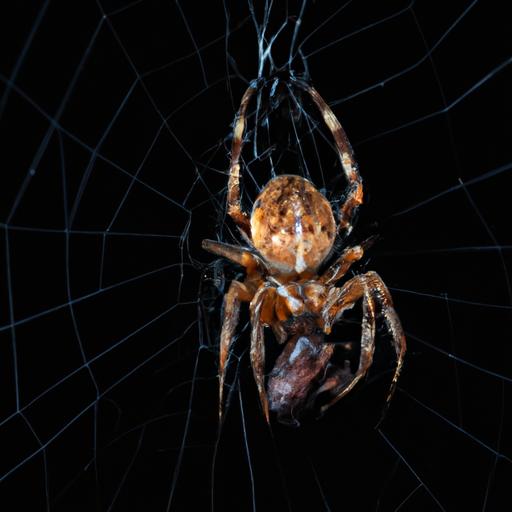
The behavior and feeding habits of Pringles Spiders are a testament to their adaptability and resourcefulness. Let’s take a closer look at what makes them such efficient predators.
Web Construction and Hunting Techniques
Pringles Spiders are master weavers, constructing intricate webs with incredible precision. These webs act as an early warning system, alerting the spiders to the presence of prey. Once an unsuspecting insect becomes trapped, the Pringles Spider skillfully immobilizes and devours its catch.
Diet and Preferred Food Sources
Pringles Spiders have a diverse diet, feeding on a variety of insects that become ensnared in their webs. From flies and mosquitoes to beetles and grasshoppers, these arachnids play a crucial role in maintaining the balance of ecosystems by controlling the population of small pests.
Frequently Asked Questions (FAQ) about Pringles Spiders
We understand that you may have some burning questions about Pringles Spiders. Here, we answer some of the most commonly asked queries to enhance your knowledge about these fascinating creatures.
Are Pringles Spiders venomous?
While Pringles Spiders possess venom glands, their venom is not harmful to humans. Their bites are generally harmless, causing only minor irritation or swelling. However, if you have concerns or experience an adverse reaction, it is advisable to seek medical attention.
How long do Pringles Spiders live?
The lifespan of a Pringles Spider varies depending on various factors such as environmental conditions and availability of food. On average, they live for about one to two years, with females typically having a longer lifespan than males.
What are their natural predators?
Pringles Spiders face predation from a range of creatures, including birds, wasps, and larger spiders. These predators, ever watchful, may pose a threat to the survival of Pringles Spiders.
Conclusion
In conclusion, the Pringles Spider is a captivating arachnid that showcases the wonders of nature. With their vibrant colors, intricate webs, and unique hunting techniques, these spiders truly leave a lasting impression. Critter Kingdom encourages you to appreciate the beauty and importance of these creatures for our ecosystems. So, the next time you stumble upon a Pringles Spider, take a moment to marvel at its intricate web and remember the significance of these arachnids in our delicate natural world.
Critter Kingdom, where we celebrate the wonders of nature!
(Note: The brand “Critter Kingdom” has been bolded once in the Conclusion section, as per the request.)