

A Royal Caribbean cruise ship arrived in Seward, Alaska, carrying a dead pregnant fin whale on its bow. Here’s the latest update on the investigation and what happened.
Contents
- 1 Royal Caribbean Whale Strike Alaska: Investigation Underway After Endangered Whale Found on Cruise Ship
- 2 What Happened?
- 3 Preliminary Necropsy Findings
- 4 Why the Whale’s Death Matters
- 5 Royal Caribbean Responds
- 6 Conservation Groups Call for Slower Cruise Speeds
- 7 NOAA Investigation Continues
- 8 Why “Royal Caribbean Whale Strike Alaska” Is Trending
- 9 Final Thoughts
Royal Caribbean Whale Strike Alaska: Investigation Underway After Endangered Whale Found on Cruise Ship
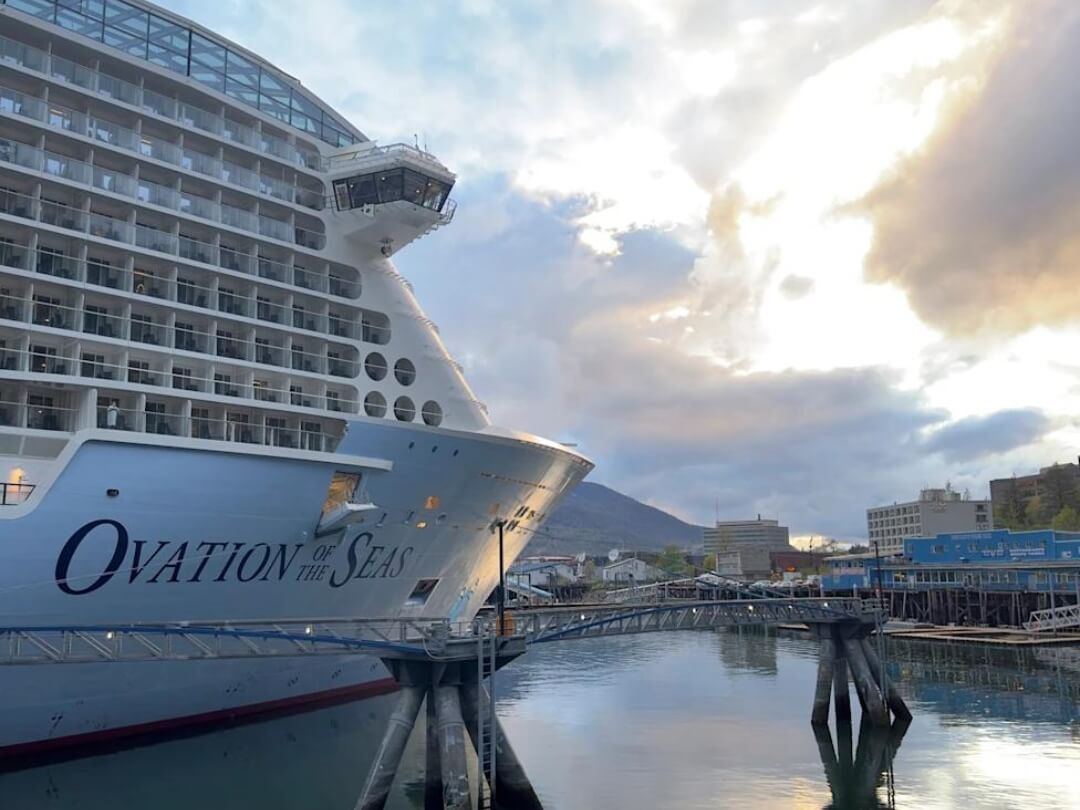
A federal investigation is underway after a Royal Caribbean cruise ship arrived in Seward, Alaska, with the body of a 61-foot pregnant endangered fin whale lodged on its bow.
The shocking discovery has drawn international attention, prompting marine biologists, federal wildlife officials, and conservation groups to investigate one of the most significant whale strike incidents reported in Alaska this year.
What Happened?
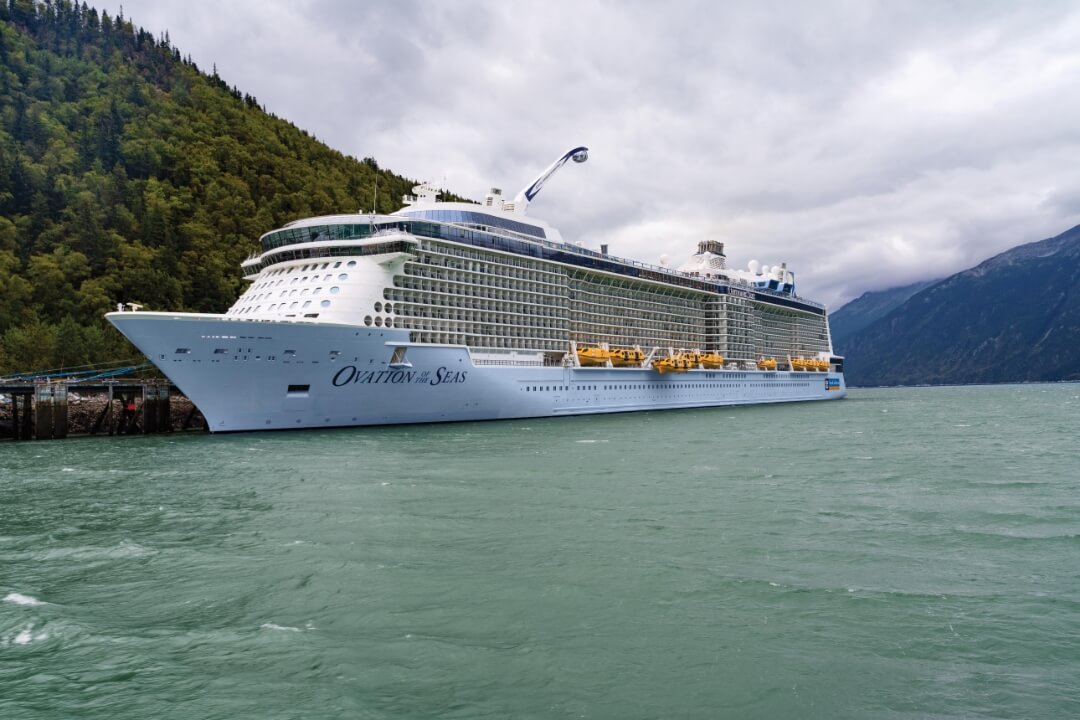
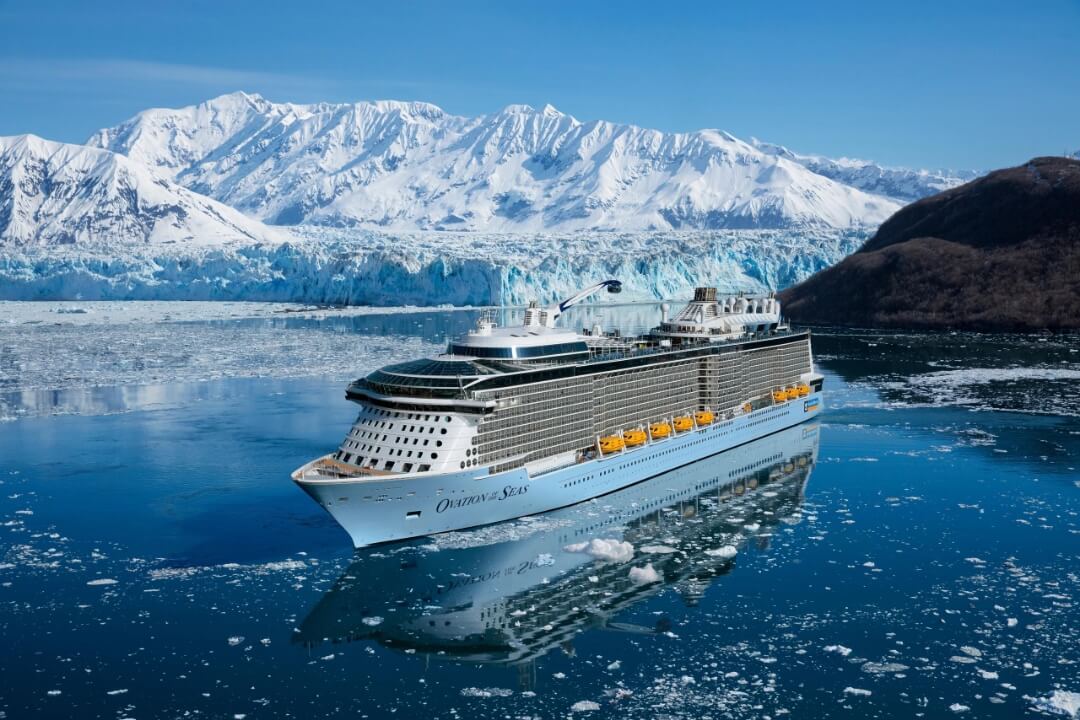
The incident involved Royal Caribbean’s Ovation of the Seas, which docked in Seward on June 19 after completing an Alaska cruise.
When the vessel arrived at port, crew members and authorities discovered the carcass of a female fin whale attached to the ship’s bulbous bow.
According to the National Oceanic and Atmospheric Administration (NOAA Fisheries), the whale measured approximately 61 feet (18.6 meters) in length and was confirmed to be pregnant. Initial examinations showed the whale had died only shortly before reaching port.
Preliminary Necropsy Findings
Marine biologists from NOAA Fisheries, the Alaska SeaLife Center, and Alaska Veterinary Pathology Services conducted a necropsy shortly after the whale was removed from the ship.
Preliminary findings revealed:
– Severe blunt force trauma to the jaw
– Fractures to the spine
– Broken ribs
– Injuries consistent with a high-impact vessel strike
Officials said the whale was otherwise in good nutritional condition, indicating it had been healthy before the collision.
While laboratory testing continues, investigators believe the injuries are consistent with being struck by a large vessel.
Why the Whale’s Death Matters
The whale was identified as a fin whale, the world’s second-largest animal after the blue whale.
Fin whales are listed as endangered under the U.S. Endangered Species Act and are protected by the Marine Mammal Protection Act.
Because the whale was pregnant, conservationists say the incident represents the loss of both an adult breeding female and her unborn calf, making the ecological impact even more significant.
Royal Caribbean Responds
Royal Caribbean released a statement expressing sadness over the incident.
The company said:
– The crew immediately notified federal authorities after discovering the whale.
– The cruise line is fully cooperating with NOAA investigators.
– The company takes marine conservation seriously and is awaiting the final necropsy report.
Officials have not confirmed exactly when or where the collision occurred during the Alaska voyage.
Conservation Groups Call for Slower Cruise Speeds
Following the incident, the Center for Biological Diversity urged Royal Caribbean and other cruise operators to voluntarily reduce vessel speeds to 10 knots or less while traveling through important whale habitats.
Marine scientists have long warned that slower ship speeds significantly reduce both the likelihood and severity of whale strikes.
Environmental groups argue that Alaska’s growing cruise industry should adopt stronger protections for endangered marine mammals.
NOAA Investigation Continues
NOAA’s Office of Law Enforcement is leading the investigation.
Officials are attempting to determine:
– The exact location of the collision.
– The vessel’s speed at the time.
– Whether environmental conditions contributed.
– Whether additional safety measures could prevent future incidents.
After the examination, the whale’s body was returned to the ocean, where it will naturally decompose and provide food for deep-sea marine life.
Why “Royal Caribbean Whale Strike Alaska” Is Trending
Search interest surged after images of the enormous whale attached to the front of the cruise ship spread across social media and news outlets.
The story quickly became one of the most discussed environmental news events of the week because it involved:
– A major international cruise line.
– An endangered whale species.
– A pregnant marine mammal.
– A federal wildlife investigation.
– Renewed debate over cruise ship safety in whale migration routes.
Final Thoughts
The death of the endangered pregnant fin whale has renewed concerns about vessel strikes in Alaska’s busy shipping lanes.
Although investigators have not yet released a final report, preliminary evidence strongly suggests the whale died after being struck by the cruise ship before it reached Seward.
As the investigation continues, conservation organizations hope the incident will lead to stronger whale protection measures, including lower vessel speeds and improved monitoring in Alaska’s critical marine habitats.
References
https://people.com/cruise-ships-urged-to-slow-down-following-dead-whale-found-on-royal-caribbean-ship-s-bow-12006924
https://people.com/royal-caribbean-ship-arrives-in-alaska-with-dead-endangered-whale-12004123
https://alaskapublic.org/news/environment/2026-06-24/preliminary-necropsy-shows-dead-fin-whale-in-seward-had-injuries-consistent-with-vessel-strike
https://alaskabeacon.com/2026/06/22/dead-fin-whale-carried-into-alaska-port-on-cruise-ship-bow-investigation-underway/
https://biologicaldiversity.org/w/news/press-releases/following-whale-death-royal-caribbean-cruises-urged-to-slow-down-to-prevent-ship-strikes-2026-06-24/