

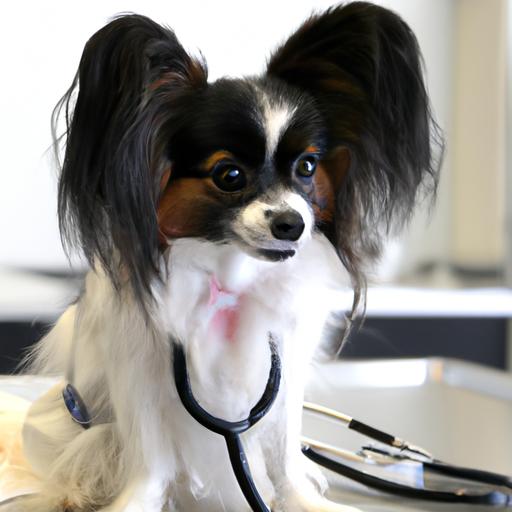
Papillons are a lively and affectionate toy breed that has been around for centuries. With their butterfly-like ears and dainty appearance, it’s easy to fall in love with these furry friends. However, as with any breed, Papillons have their fair share of health issues that owners must be aware of to maintain their well-being.
As a responsible dog owner, it’s crucial to understand the health issues that can arise in Papillons. By being proactive in their care, we can help our furry companions live a long and healthy life. In this article, we will discuss the various health issues that Papillons may encounter throughout their lives and how to prevent and treat them. So, let’s dive into the world of Papillon health issues.
Contents
Common Health Issues in Papillons

Papillons are generally healthy dogs, but like any breed, they are prone to certain health issues. Some of these issues are genetic, while others are due to environmental factors such as diet and exercise. It’s crucial to be aware of these issues and take preventative measures to keep our furry friends healthy.
Overview of Common Health Issues
Some of the most common health issues that Papillons may experience include patellar luxation, progressive retinal atrophy (PRA), dental issues, heart murmurs, and allergies. Each of these issues can affect Papillons of any age, so it’s important to be aware of the signs and symptoms to watch out for.
Genetic Predispositions
Papillons are prone to certain genetic health issues, including patellar luxation and PRA. Patellar luxation is a condition where the kneecap dislocates from its normal position, causing pain and discomfort for the dog. PRA is a degenerative eye disease that can lead to blindness.
Patellar Luxation
Patellar luxation is a common issue in smaller breeds like Papillons. It occurs when the kneecap slips out of place, causing pain and discomfort. Symptoms may include limping, reluctance to move, and difficulty jumping or climbing stairs. Treatment options include surgery and physical therapy.
Progressive Retinal Atrophy (PRA)
PRA is a genetic eye disease that causes the retina to deteriorate over time, eventually leading to blindness. Symptoms may include night blindness, dilated pupils, and a change in eye color. There is currently no cure for PRA, but early diagnosis and management can help slow its progression.
Dental Issues
Papillons are prone to dental issues, including gum disease and tooth decay. Regular dental cleanings and at-home care, such as brushing your dog’s teeth and providing dental chews, can help prevent these issues.
Heart Murmurs
Heart murmurs are common in Papillons and can be caused by a variety of factors, including genetics and diet. A heart murmur may be a sign of an underlying heart condition, so it’s essential to have your dog checked by a veterinarian if you notice any symptoms.
Allergies
Papillons may experience allergies to a variety of things, including food, pollen, and dust. Symptoms may include itching, redness, and skin irritation. Management options may include medication and dietary changes.
By being aware of these common health issues and taking preventative measures, we can help our Papillons live long and healthy lives.
Prevention and Treatment of Papillon Health Issues

Regular Check-Ups and Screenings
One of the best ways to prevent health issues in Papillons is through regular check-ups and screenings. By bringing your furry friend to the vet for routine visits, you can catch any potential health issues early on and prevent them from escalating into more significant problems. During these visits, the vet will perform a physical examination, check your dog’s vital signs, and perform any necessary tests to ensure your furry friend is healthy.
Nutrition and Exercise Recommendations
Proper nutrition and exercise are crucial for maintaining the health of your Papillon. Feeding your dog a well-balanced diet that meets their nutritional needs can help prevent many health issues. Additionally, regular exercise is essential for keeping your furry friend at a healthy weight and preventing obesity-related health problems.
Treatment Options for Different Health Issues
If your Papillon does develop a health issue, there are various treatment options available. The type of treatment recommended will depend on the specific health issue your dog is facing. Your vet may recommend medication, surgery, or other forms of treatment to manage the condition and improve your dog’s quality of life.
The Role of Breeders in Reducing Health Issues
As a responsible dog owner, it’s essential to work with reputable breeders who prioritize the health and well-being of their dogs. Good breeders will perform health screenings on their dogs before breeding them to ensure that they are not passing on any genetic health issues to their offspring. By working with responsible breeders, we can help reduce the prevalence of health issues in Papillons and other breeds.
Papillon Care and Grooming
Papillons are small dogs that require regular grooming to maintain their beautiful coats and overall health. Proper grooming techniques and frequency will not only keep your furry friend looking their best but can also prevent health issues such as skin irritations and infections.
Proper Grooming Techniques and Frequency
Papillons have long, silky hair that requires regular brushing to prevent matting and tangling. It’s recommended to brush your Papillon’s coat at least once a week, using a soft-bristled brush to avoid damaging their delicate skin. For dogs with longer hair, it’s essential to brush more frequently, ideally every other day, to prevent matting and tangling.
In addition to brushing, Papillons also require regular bathing to keep their coats clean and healthy. It’s recommended to bathe your furry friend once a month, using a mild dog shampoo to avoid stripping their skin of natural oils.
Importance of Dental Care and Cleaning
Dental care is crucial for Papillons as they are prone to dental issues such as tooth decay and gum disease. It’s recommended to brush your furry friend’s teeth at least twice a week using a dog toothbrush and toothpaste. Additionally, providing your Papillon with dental chews or toys can help keep their teeth clean and healthy.
Regular dental check-ups with a veterinarian are also essential to maintain your Papillon’s oral health. During these check-ups, your vet can identify any dental issues and provide appropriate treatment.
Tips for Overall Papillon Care and Maintenance
In addition to regular grooming and dental care, there are other ways to maintain your Papillon’s overall health and well-being. Providing your furry friend with a balanced and nutritious diet is essential for their health, as well as regular exercise to keep them active and prevent obesity.
Regular check-ups with a veterinarian are also crucial to maintain your Papillon’s health. During these check-ups, your vet can identify any health issues early on and provide appropriate treatment.
By following these tips for overall Papillon care and maintenance, you can help your furry friend live a happy and healthy life.
Frequently Asked Questions (FAQs)
What are the most common health issues in Papillons?
Papillons can be prone to several health issues, including patellar luxation, progressive retinal atrophy (PRA), dental issues, heart murmurs, and allergies. It’s essential to be aware of these health concerns and take preventative measures to keep your furry friend healthy.
How frequently should Papillons go to the vet?
Papillons should visit the vet at least once a year for a check-up. During these visits, the vet can perform routine screenings and address any concerns you may have about your pup’s health. Additionally, if you notice any changes in your dog’s behavior or physical appearance, it’s essential to schedule an appointment with the vet right away.
How can I prevent dental issues in my Papillon?
Dental issues are common in Papillons, but there are several preventative measures you can take to maintain your pup’s oral health. Regular brushing and dental cleanings can help prevent plaque buildup and tooth decay. Additionally, feeding your dog a high-quality diet and providing them with appropriate chew toys can help keep their teeth healthy.
Can Papillons live in apartments?
Yes, Papillons can thrive in apartments as long as they receive enough exercise and mental stimulation. Daily walks, playtime, and interactive toys can help keep your furry friend happy and healthy, even in a smaller living space.
How much exercise do Papillons need?
Papillons have high energy levels and require daily exercise to stay healthy and happy. A daily walk or play session in the yard can provide the necessary physical activity for your furry friend. However, it’s important not to over-exercise your Papillon, as they are prone to certain joint issues. Always consult with your vet to determine an appropriate exercise routine for your pup.
Are Papillons good with children?
Papillons are typically good with children, as they are social and affectionate dogs. However, it’s crucial to supervise interactions between children and dogs to ensure safety for both parties. Additionally, it’s important to teach children how to properly interact with dogs and respect their boundaries.
Conclusion
In conclusion, Papillon health issues are a crucial aspect of their overall well-being. By understanding the common health issues that affect Papillons, we can be proactive in their care and ensure they live a long and healthy life. Regular check-ups, proper nutrition and exercise, and early detection of any health issues are vital to keeping our furry companions happy and healthy.
Remember, as responsible dog owners, we have a duty to provide the best possible care for our pets. By following the advice in this article, we can take the necessary steps to prevent and treat any health issues that may arise in our Papillons.
At Critter Kingdom, we are passionate about providing our readers with the latest information on dog breeds, cat breeds, and other small animals. We hope this article has been helpful in understanding Papillon health issues and how to care for your furry friend. Thank you for reading, and we wish you and your furry companions a healthy and happy life together.