


Are you looking for a fun and sustainable way to attract birds to your backyard? Look no further than a DIY bird feeder! Not only is it an enjoyable project for a weekend afternoon, but it also helps promote a healthy bird population in your area.
By creating your own bird feeder, you can also customize it to attract specific bird species, providing a unique and personalized experience for you and your feathered friends. And with the right materials, you can ensure that your feeder is both long-lasting and safe for birds.
So, what are the benefits of having a DIY bird feeder? For one, it’s a cost-effective way to provide food for birds and enjoy their presence in your yard. It also helps promote biodiversity in your area, as different bird species will be attracted to your feeder. And let’s not forget the joy of watching birds flock to your backyard, adding a touch of nature to your daily routine.
But it’s not just about attracting birds; it’s about doing it sustainably. Using sustainable and safe materials for your feeder not only benefits the environment but also ensures that the birds you attract are healthy and safe. After all, we want to create a bird paradise, not a bird trap.
In the next sections, we’ll explore the materials and tools you’ll need to build your own feeder, as well as step-by-step instructions for construction and installation. So, let’s get started on building your own DIY bird feeder and creating your very own bird paradise.
Materials and Tools

Types of Bird Feeders
Before you start building your DIY bird feeder, it’s important to consider what type of feeder you want to create. There are several popular types to choose from, including:
- Platform feeders: These are flat feeders that provide an open space for birds to land and feed.
- Hopper feeders: These are enclosed feeders that hold a larger amount of birdseed and dispense it gradually.
- Tube feeders: These are long, cylindrical feeders that hold birdseed and have small feeding ports for birds.
Consider the type of birds you want to attract and their feeding habits when choosing which type of feeder to build.
Materials Needed for Building a Bird Feeder
Once you’ve chosen the type of feeder you want to build, it’s time to gather your materials. Here are some common materials needed for building a bird feeder:
- Wood: Cedar or redwood are good choices for outdoor use as they’re naturally weather-resistant.
- Screws or nails: Choose rust-resistant screws or nails to ensure longevity.
- Birdseed: Choose a birdseed mix that’s appropriate for the birds you want to attract.
- Wire or string: This is needed for hanging the feeder.
- Plexiglass or screen: This is optional but can be used to cover the feeding area.
Tools Required for Construction
To build your DIY bird feeder, you’ll need some basic tools. Here’s what you’ll need:
- Saw: A hand saw or power saw can be used for cutting the wood.
- Drill: A drill is needed for making holes in the wood.
- Screwdriver or hammer: Depending on whether you use screws or nails, you’ll need a screwdriver or hammer to fasten the wood together.
- Measuring tape: This is needed for measuring and marking the wood.
Now that you have your materials and tools, it’s time to start building your bird feeder. In the next section, we’ll go through the step-by-step process of constructing your feeder.
Building Your DIY Bird Feeder
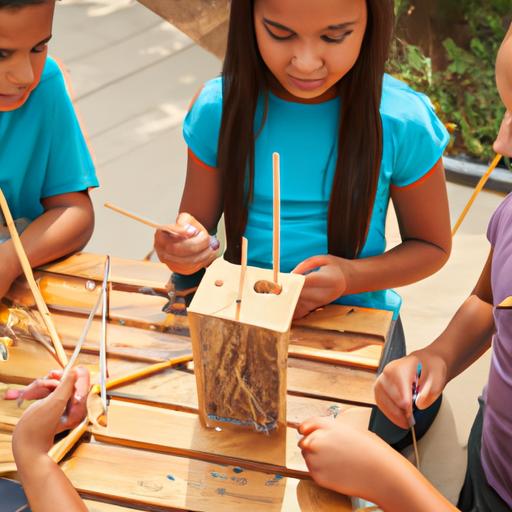
Step-by-step Guide
Building a DIY bird feeder can be a fun and rewarding project, but it’s important to follow a step-by-step guide to ensure that your feeder is safe and functional for birds.
-
Gather your materials: Depending on the type of feeder you want to build, you’ll need materials such as wood, screws, nails, and birdseed. Make sure to choose materials that are safe for birds and that won’t harm the environment.
-
Choose a design: There are many different designs for bird feeders, from hopper feeders to tube feeders. Consider the type of birds you want to attract and choose a design that suits their feeding habits.
-
Cut and assemble your pieces: Using your tools, cut your pieces to size and assemble them according to your chosen design. Make sure to follow safety guidelines when using power tools.
-
Add finishing touches: Once your feeder is assembled, you can add finishing touches such as paint or decorations. Just make sure that any added materials are safe for birds and won’t harm them.
Tips for Sturdiness
To ensure that your feeder is sturdy and long-lasting, there are a few tips to keep in mind:
-
Use quality materials: Cheap materials may save you money, but they won’t last as long. Invest in quality materials that will hold up over time.
-
Secure your feeder: Make sure that your feeder is securely attached to a tree or pole, and that it can withstand wind and weather.
-
Regular maintenance: Regularly check your feeder for damage or wear and tear. Repair or replace any damaged parts as needed.
Customization Ideas
If you want to attract specific bird species to your feeder, there are a few things you can do to customize it:
-
Add perches: Some birds prefer to stand on a perch while they eat. Consider adding perches to your feeder to attract those species.
-
Offer different types of food: Different bird species prefer different types of food. Research the feeding habits of the birds you want to attract and offer the appropriate food in your feeder.
-
Use different colors: Some birds are attracted to bright colors. Consider adding colorful accents or painting your feeder a bright color to attract those species.
With these tips and ideas in mind, you’ll be well on your way to building a safe, sturdy, and customized DIY bird feeder.
Installing Your DIY Bird Feeder
Now that your DIY bird feeder is complete, it’s time to install it in the perfect location to attract birds to your yard. Here are some tips to ensure your feeder is installed correctly and in the best spot:
Choosing the Right Location for the Feeder
When selecting a location for your bird feeder, it’s essential to choose an area that is easily visible and accessible to birds. Ideally, the feeder should be near trees or shrubs, providing birds with a quick escape if they feel threatened.
Another crucial factor to consider is the amount of sunlight the feeder receives. Birds prefer a shaded area, so aim for a location that receives morning or afternoon sun, but not direct sunlight throughout the day.
Height Considerations
The height of your feeder is also crucial in attracting birds to your yard. The feeder should be high enough to deter predators, such as cats, but not too high that birds won’t see it. A good rule of thumb is to place the feeder at least five feet off the ground.
Tips for Deterring Squirrels and Other Pests
Squirrels and other pests can quickly become a nuisance to your bird feeder, stealing food and causing damage. But don’t worry; there are several ways to deter them from your feeder.
One option is to use squirrel-proof feeders or to install a baffle around the feeder. Another option is to place your feeder away from trees or other structures that squirrels can climb. You can also try using spicy or bitter birdseed, which squirrels tend to avoid.
By following these tips, you can ensure that your DIY bird feeder is installed correctly and safely in your yard, providing a welcoming environment for birds to enjoy.
Maintenance and Cleaning
As with any outdoor accessory, your DIY bird feeder will require regular maintenance and cleaning to ensure that it functions properly and remains attractive to birds. Neglecting to clean your bird feeder can lead to mold growth, bacterial infections, and other issues that can harm the birds you are trying to attract.
Importance of Cleaning the Feeder Regularly
To keep your bird feeder in top shape, it’s important to clean it regularly. Depending on the type of feeder and the number of birds that visit, you may need to clean it weekly or even daily. Use a mild dish soap and warm water to clean the feeder, and be sure to rinse it thoroughly before refilling it with birdseed.
Regular cleaning also helps prevent the spread of disease among birds. Birds can carry bacteria such as salmonella, which can be transmitted to other birds through shared food sources. By cleaning your feeder regularly, you can help prevent the spread of disease and promote a healthy bird population in your area.
Tips for Maintaining the Feeder’s Structural Integrity
In addition to cleaning, it’s important to maintain the structural integrity of your bird feeder. Over time, exposure to the elements and bird activity can cause wear and tear on the feeder, which can lead to damage or collapse.
To prevent this, inspect your bird feeder regularly for signs of wear and tear. Check for loose screws or nails, cracks in the wood or plastic, and other signs of damage. Repair any issues as soon as possible to prevent further damage and keep your feeder in top shape.
How to Troubleshoot Common Issues with Bird Feeders
Despite your best efforts, you may encounter issues with your bird feeder from time to time. Common issues include squirrels and other pests stealing birdseed, birds not visiting the feeder, and mold growth.
To troubleshoot these issues, try changing the location of your feeder, using different types of birdseed, or adding deterrents such as squirrel baffles or bird feeders with built-in pest guards. Mold growth can be prevented by cleaning the feeder regularly and allowing it to dry thoroughly before refilling it with birdseed.
By following these tips for maintenance and cleaning, you can ensure that your DIY bird feeder remains a safe and attractive food source for birds in your area.
Conclusion
In conclusion, building and installing a DIY bird feeder is a fun and sustainable way to attract birds to your backyard. Not only does it promote biodiversity in your area, but it also provides a cost-effective way to enjoy the presence of birds in your daily routine.
By following the steps outlined in this guide, you can create a safe and long-lasting feeder that will provide hours of enjoyment for you and your feathered friends. And with the right materials and installation, you can ensure that your feeder is both sustainable and safe for birds.
At Critter Kingdom, we believe in promoting the coexistence of humans and nature. By creating your own DIY bird feeder, you can contribute to a healthy bird population in your area and enjoy the beauty of nature right in your own backyard.
So, what are you waiting for? Grab your materials, get creative, and start building your own DIY bird feeder today. Who knows, you might just attract a new feathered friend to your backyard.