

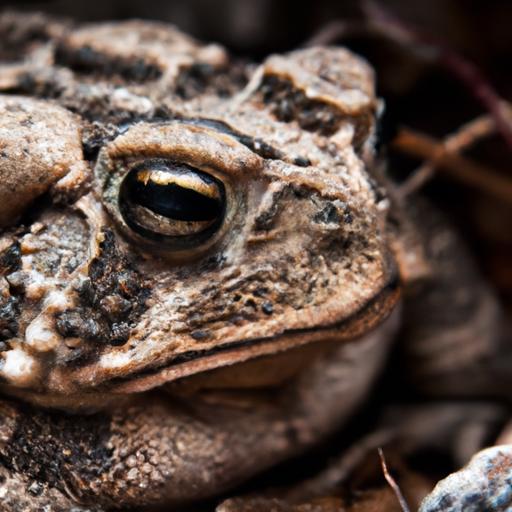

Welcome to Critter Kingdom, your go-to source for all things nature-related. Today, we delve into the enchanting world of the grey toad. These small amphibians play a vital role in our ecosystem, and in this article, we will explore their characteristics, distribution, threats they face, and answer some frequently asked questions about them. So, let’s jump right in and discover the wonders of the grey toad!
Contents
- 1 Introduction: Getting to Know the Grey Toad
- 2 Characteristics of Grey Toads: Unveiling Their Secrets
- 3 Distribution and Habitat: Where to Find Grey Toads
- 4 Threats to Grey Toads: Protecting Our Amphibian Friends
- 5 Frequently Asked Questions about Grey Toads
- 6 Conclusion: Preserving the Grey Toad’s Vital Role
Introduction: Getting to Know the Grey Toad
The grey toad, also known as Bufo bufo, is a fascinating creature found in various regions around the world. With its unique appearance and interesting behaviors, this amphibian captivates the attention of nature enthusiasts and researchers alike. Let’s dive into the world of the grey toad and understand why it is an essential part of our ecosystem.
Characteristics of Grey Toads: Unveiling Their Secrets
Physical Appearance and Size
The grey toad boasts a distinctive appearance that sets it apart from other amphibians. Its skin showcases shades of grey, brown, and olive, providing excellent camouflage in its natural habitat. These toads typically measure around 3 to 4 inches in length, with females being slightly larger than males. Their bodies are plump and rounded, adorned with warty skin and prominent parotoid glands behind their eyes.
Habitat Preferences and Adaptations
Grey toads are versatile when it comes to their habitat selection. They can be found in a range of environments, including woodlands, grasslands, and even urban areas. These resilient creatures possess unique adaptations that allow them to thrive in diverse conditions. Their ability to burrow in soil or hide in crevices helps them withstand harsh weather conditions and escape predators.
Behavior and Mating Habits
During the breeding season, grey toads engage in captivating behaviors that ensure their survival. Males emit a distinct croaking sound to attract females, creating a chorus that fills the night air. Once they find a suitable mate, the male clasps the female from behind in a behavior known as amplexus. This position allows the transfer of sperm for fertilization. Females then lay long strings of gelatinous eggs in bodies of water, which hatch into tadpoles.
Distribution and Habitat: Where to Find Grey Toads
Geographical Range of Grey Toads
Grey toads can be found in various parts of the world, including Europe, Asia, and North Africa. Their distribution extends from the temperate regions of northern Europe to the Mediterranean and as far east as Russia. Each population has adapted to the specific conditions of their respective habitats.
Ideal Habitats for Grey Toads
These adaptable creatures thrive in a variety of environments. They prefer moist habitats such as forests, meadows, and wetlands, as these areas provide the necessary conditions for their survival. Grey toads require access to freshwater bodies for breeding and lay their eggs in ponds, lakes, or slow-moving streams.
Factors Affecting their Distribution and Population
The distribution and population of grey toads are influenced by a multitude of factors. Human-induced threats like habitat destruction, pollution, and climate change pose significant challenges to their survival. Additionally, natural predators and diseases can impact their populations. Understanding these factors is crucial for implementing effective conservation measures.
Threats to Grey Toads: Protecting Our Amphibian Friends
Human-Induced Threats
The encroachment of human activities on natural habitats poses a significant threat to grey toads. Deforestation, urbanization, and the use of pesticides have a detrimental impact on their survival. By raising awareness and implementing conservation initiatives, we can mitigate these threats and protect the habitats that grey toads rely on.
Natural Predators and Diseases
Grey toads face predation from various creatures, including birds, mammals, and snakes. Additionally, diseases such as chytridiomycosis can severely impact their populations. It is crucial to understand the interactions between grey toads and their predators to develop strategies that minimize the risks they face.
Climate Change Impact
The effects of climate change, such as rising temperatures and altered precipitation patterns, have far-reaching consequences for grey toads. These changes can disrupt their breeding cycles, affect their habitat suitability, and increase the spread of diseases. Adapting to these changes and implementing conservation measures are vital to the survival of grey toads.
Frequently Asked Questions about Grey Toads
What do Grey Toads eat?
Grey toads have a diverse diet that consists primarily of insects, spiders, worms, and small invertebrates. They are skilled predators, using their long, sticky tongues to catch their prey with precision.
How long do Grey Toads live?
On average, grey toads live for about 10 to 12 years. However, with proper care and protection from threats, some individuals have been known to live up to 30 years.
Are Grey Toads poisonous?
Yes, grey toads secrete toxins from their parotoid glands as a defense mechanism against predators. These toxins can be harmful or even deadly to certain animals, making grey toads an unappetizing meal.
Do Grey Toads migrate?
Grey toads are not known for long-distance migrations. However, they may move within their habitats to find suitable breeding sites or seek refuge during unfavorable conditions.
Can Grey Toads be kept as pets?
While the idea of keeping a grey toad as a pet may be tempting, it is important to remember that wild animals belong in their natural habitats. Capturing and keeping them as pets can disrupt ecosystems and is often illegal. Instead, consider supporting conservation efforts to protect these incredible creatures.
How do Grey Toads defend themselves?
Grey toads have several defense mechanisms to protect themselves from predators. In addition to their toxic secretions, they can puff up their bodies to appear larger, bury themselves in soil for camouflage, and employ their agility to escape danger.
Conclusion: Preserving the Grey Toad’s Vital Role
The grey toad is a captivating amphibian that plays a vital role in maintaining the delicate balance of our ecosystem. Their adaptability, unique behaviors, and interactions with their environment make them a species worth protecting. By understanding the threats they face and taking action, we can ensure the survival of these remarkable creatures.
At Critter Kingdom, we are committed to promoting the conservation of all wildlife, including the grey toad. Join us in our mission to protect our natural treasures and create a sustainable future for all species.
Remember, every small step counts in preserving the biodiversity of our planet!
Critter Kingdom